



Expert car care tips, professional advice and automotive detailing resources.
CAR DETAILING BLOG
by Westchester Auto Detail
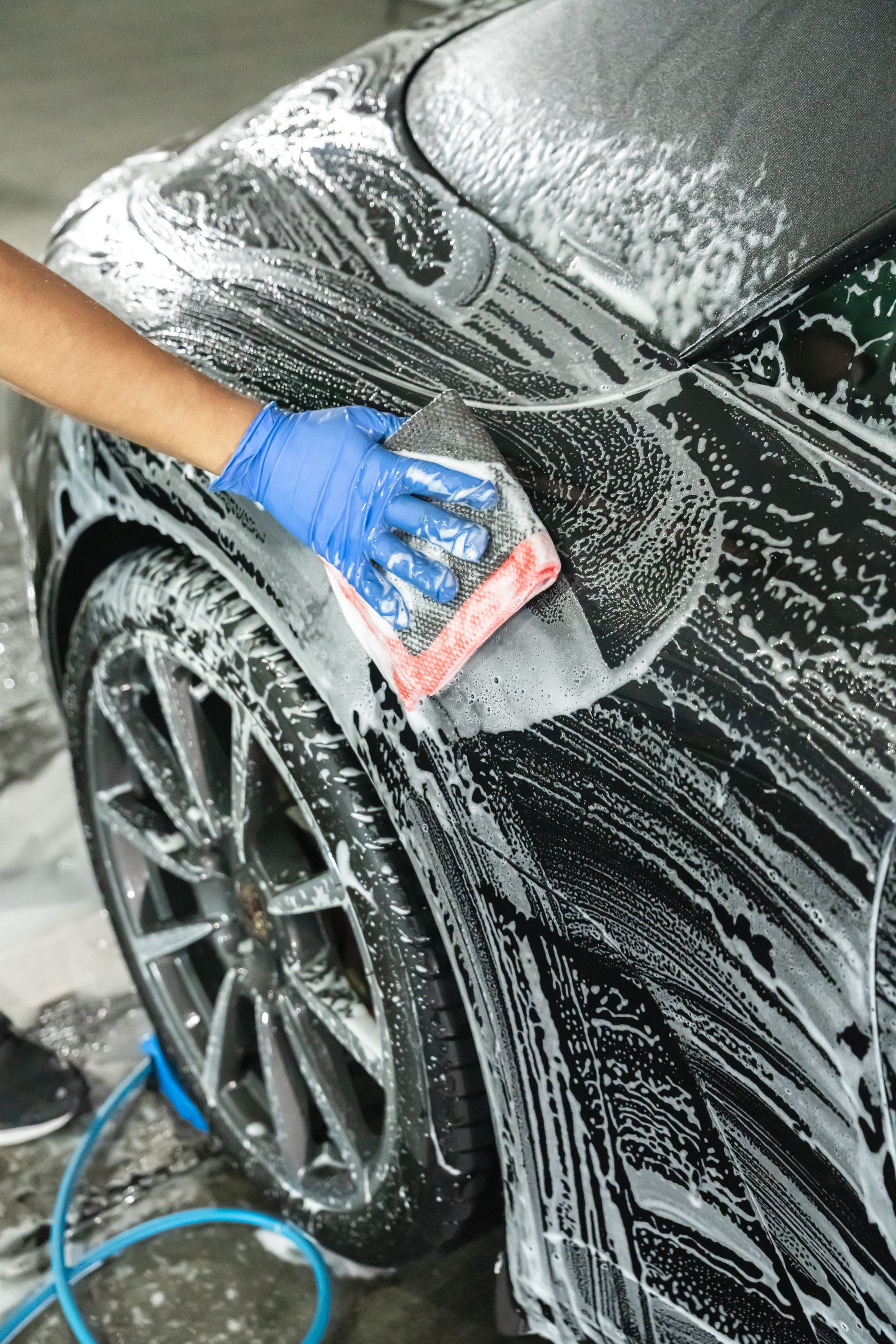
Your ceramic coating is one of the smartest investments you can make for your vehicle — but in the Northeast, it's not "set it and forget it." I'm the owner of Westchester Auto Detail in Westchester County, New York. We've been protecting Tri-State vehicles since 2020 and, for the past two years, have operated our dedicated facility, The Ceramic Lab by Westchester Auto Detail, inside the Westchester Mall. In that time we've applied and maintained hundreds of professional ceramic coatings for clients across the region. The cars that still look showroom-fresh after five or six brutal winters are the ones whose owners follow a disciplined, climate-smart maintenance plan. If you're in Westchester County, Fairfield County, or anywhere in NY, CT, NJ, or PA and you want your coating to deliver maximum hydrophobicity, gloss, and paint protection for five or more years, this guide is written for you. We'll cover the exact routines I give my local clients, the products that actually work in 2026, and the Northeast-specific challenges most California-focused guides completely ignore. What Exactly Is a Ceramic Coating and Why Does It Still Need Year-Round Maintenance? A ceramic coating is a liquid SiO₂ (silicon dioxide) or graphene-infused polymer that chemically bonds to your paint, creating a hard, hydrophobic, UV-resistant layer. It's not paint protection film — it won't stop rock chips — but it makes water, dirt, bird droppings, and road grime bead up and slide off far more easily than untreated paint. The big myth? "Once it's on, you never have to wash again." Reality: the coating still gets dirty, and contaminants — especially road salt — can etch into microscopic pores over time. In the Northeast, temperature swings, freeze-thaw cycles, and heavy de-icing chemicals accelerate this wear. Proper maintenance keeps the majority of original performance intact for years instead of months. How Does the Northeast Climate Uniquely Challenge Your Ceramic Coating? Most generic guides assume mild weather. Here in Westchester County and along the I-95 corridor, four very different enemies rotate through every year: Winter: Road salt (sodium chloride and magnesium chloride mixes used throughout NY and CT) doesn't just sit on the surface — freeze-thaw cycles drive it into micro-pores. Spring: Pollen bombs from oak, maple, and pine trees create a sticky film that bakes on in the sun. Summer: Intense UV exposure, tree sap, and bug acids. Fall: Construction tar, leaf tannins, and early frost. From our shop data, vehicles in the Tri-State that skip proactive winter care lose hydrophobicity noticeably faster than those following a consistent cold-weather protocol. The good news: a ceramic coating still makes salt removal dramatically easier — it just requires proactive steps to stay performing at its best. What's the Ideal Year-Round Washing Routine for a Ceramic-Coated Car? Frequency: Every 7–14 days year-round. In winter, aim for weekly or every 10 days if you're driving on treated roads. The Two-Bucket Method — non-negotiable: Pre-rinse thoroughly with a pressure washer or strong hose. Bucket 1: pH-neutral shampoo with a grit guard. Bucket 2: Plain rinse water for your mitt. Microfiber wash mitts only — never sponges or brushes. Drying: Use a blower or clean microfiber towels. Air drying in humid Northeast conditions leaves water spots that etch over time. Touchless option for light days: A quick high-pressure rinse at a self-serve bay removes loose salt without contact — a legitimate maintenance step in a pinch. How Should You Wash and Protect Your Ceramic Coating in Northeast Winters? This is where most owners drop the ball. Winter Decon Protocol — every 4–6 weeks: High-pressure pre-rinse, with extra attention to the undercarriage, rockers, and wheel wells — salt accumulates heavily in those areas. Alkaline snow-foam pre-wash if available. pH-neutral contact wash. Iron remover — essential for dissolving embedded brake dust and road salt. Cold-weather notes: Wash in a heated garage when possible, or use warm (not hot) water in a portable foam cannon. Soft-bristle snow brush only — no plastic scrapers, never metal. Monthly undercarriage rinse. This single step prevents more rust and coating wear than almost anything else a daily driver can do. Case Study: A client's 2022 Tesla Model Y — a daily I-95 commuter right here in Westchester County — went through three winters with no rust on rockers or doors. The owner committed to weekly rinses and monthly undercarriage flushes. Hydrophobicity held up well past the three-year mark. What Changes in Spring, Summer, and Fall for Maximum Longevity? Spring: Pollen decon followed by a light clay bar treatment if needed, after the final salt wash of the season. Summer: Park in shade when possible. Apply a UV-boosting ceramic spray every 60 days. Fall: Tar remover for construction season residue, followed by a tannin rinse after leaf storms.
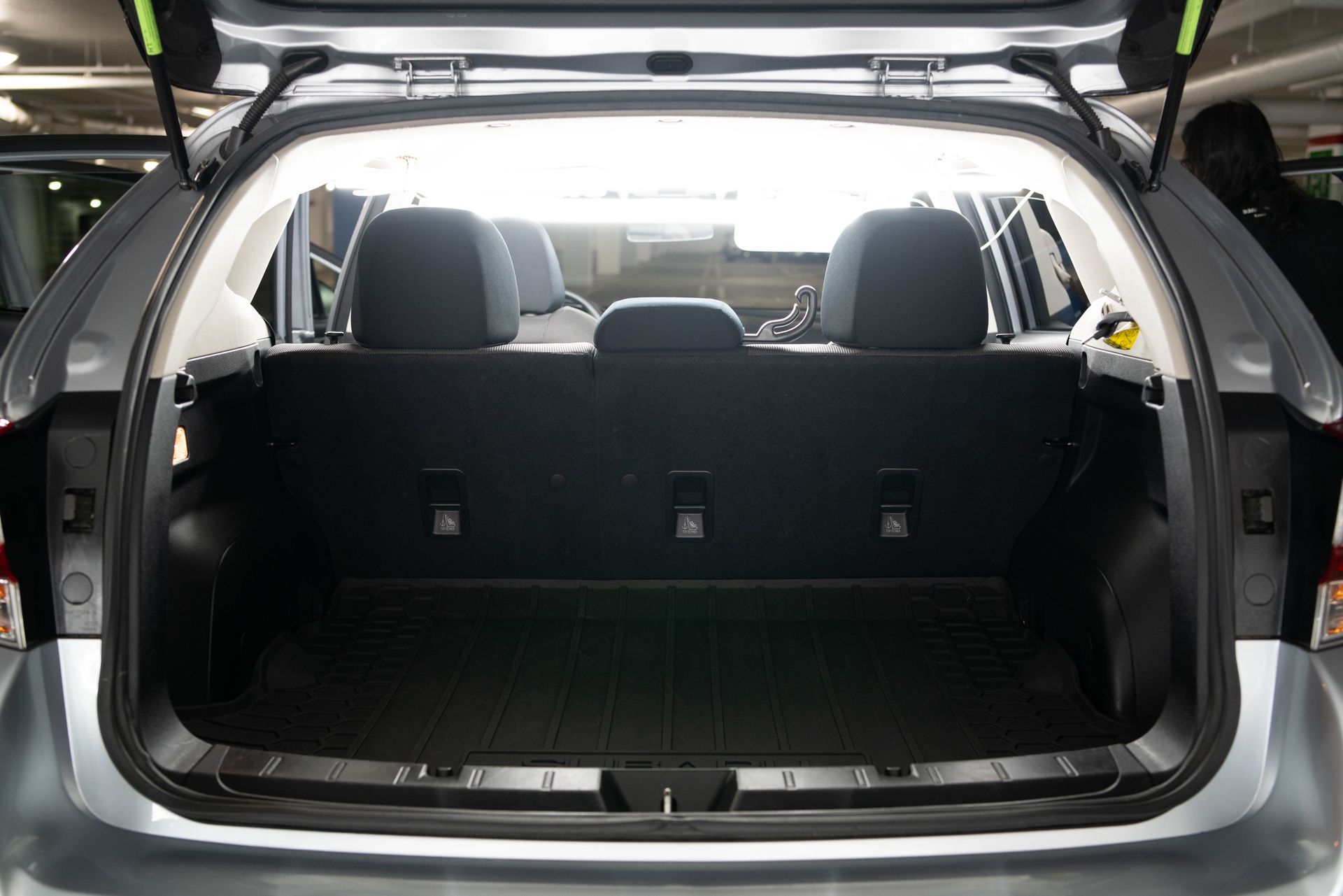
Preventing mold in a car during storage or after flooding is often misunderstood as a cleaning issue. In practice, it comes down to moisture control. Mold develops when moisture remains trapped inside interior materials long enough to support growth, usually when airflow is limited. The important distinction is this: most vehicles do not continue to have mold problems once moisture intrusion is corrected, the vehicle has been treated for mold and the interior is properly dried. Ongoing issues are typically linked to unresolved leaks, incomplete drying, or storage conditions that allow moisture to build back up. What the Process Actually Is Preventing mold during storage or after flooding is not about aggressive cleaning or constant intervention. The goal is to remove moisture, confirm interior materials are dry beneath the surface, and prevent new moisture from entering. In storage situations, this means managing humidity and circulation over time. After flooding or water intrusion, the focus is on how quickly moisture was removed and which materials absorbed it. When drying is thorough and the source of water is addressed, interiors usually stabilize and remain problem-free. This is why prevention looks different for a vehicle that sat unused for months versus one that experienced direct water exposure. Why Mold Develops in Stored or Flood-Affected Vehicles Mold needs moisture, organic material, and time. Modern vehicle interiors contain foam, padding, insulation, and fabrics that can absorb and hold moisture longer than most owners expect. During long-term storage, temperature changes create condensation. Moist air enters through normal seals and ventilation points, condenses on cooler surfaces, and becomes trapped when airflow stops. Even a small amount of existing moisture can worsen under these conditions. In many cases, minor water intrusion is already present before a vehicle is stored. Once circulation stops, that moisture has no opportunity to dissipate. Vehicles stored outdoors face a similar issue, where small leaks at door seals, sunroof drains, or windshield cowls allow moisture to enter while the vehicle sits. After flooding, moisture intrusion is more direct. Carpet padding, insulation, seat foam, and HVAC components can retain water long after surfaces appear dry. If those materials are not dried fully, odor or mold may appear later. When moisture is removed properly and the vehicle returns to normal use, ongoing airflow and regular operation typically prevent these conditions from returning. Decision Points That Change the Outcome Not all moisture situations behave the same way, and outcomes depend on several practical factors. Storage-related risk depends on the environment. Indoor storage without airflow can be just as challenging as outdoor storage in humid climates. Desiccants help manage moisture in the air, but they do not remove water already trapped in interior materials. Flood-related risk depends on how much water entered, how long it remained, and how quickly drying began. Water that reaches seat foam, padding, or insulation changes how the interior responds and how long moisture persists. It is also common for owners to assume a vehicle is no longer viable based on how much water entered or how long it remained wet. While those factors matter, they do not tell the full story. Interior materials respond differently depending on construction and how moisture moved through the vehicle. Determining whether components can stabilize requires inspection of padding, foam, and hidden areas rather than estimates based on time or water level alone. In practice, most vehicles fall into a middle category where moisture intrusion is identifiable, drying is achievable, and no long-term issues remain once conditions are corrected. Common Misconceptions Storage covers prevent mold. Covers reduce dust but often trap humidity when airflow is limited. If a car dries once, it will stay dry. Stored vehicles experience changing humidity levels that can reintroduce moisture if conditions are not managed. Desiccants alone prevent mold. Desiccants help control air moisture but do not address water retained in foam, padding, or insulation. What Determines Whether Issues Return Sealing a vehicle too tightly during storage can trap humidity and encourage condensation. Partial drying can make an interior appear stable while moisture remains below the surface. After flooding, how quickly drying began and how deeply materials were affected matters more than the initial appearance. Carpet padding and insulation release moisture slowly, while seat foam can remain damp even when surfaces feel dry. When carpets are affected, the most viable method for removing moisture is peeling up carpets and ensuring the insulation underneath is getting proper airflow. When moisture sources are corrected and interior materials are fully dried, additional intervention is rarely needed. When Preservation Matters More Than Results Interior materials are not unlimited. Carpet padding, insulation, and seat foam can degrade when repeatedly exposed to moisture. In some more severe cases, replacing affected components provides a more stable long-term result than repeated drying attempts. Experienced professionals prioritize stability over cosmetic perfection. A vehicle that is dry, ventilated, and returned to normal use will outperform one that looks clean but retains hidden moisture. Frequently Asked Questions Can a stored car grow mold without flooding? Yes. Condensation, lack of airflow, and minor leaks can be enough. How long after flooding does mold appear? Often weeks or months later if moisture remains trapped. Are desiccants enough during storage? They help, but only as part of a broader moisture-management approach. Do most cars continue to have problems after proper drying? No. Once moisture intrusion is corrected and interiors are dry, most vehicles remain stable. Practical Takeaway Preventing mold during vehicle storage or after flooding comes down to one core principle: moisture must be removed and kept from returning. In most cases, once water intrusion is corrected and interior materials are fully dried and treated for mold, vehicles do not continue to experience mold issues. Normal use, airflow, and basic moisture awareness are usually enough to keep the interior stable. At Westchester Auto Detail, we routinely evaluate and remediate mold-related issues in vehicles, from minor contamination to more involved cases following water intrusion. Through that work, we are familiar with common vehicle-specific areas where moisture intrusion occurs and how those conditions affect interior materials over time. Our focus is on treating existing mold, confirming that interiors are properly dried, and recognizing when underlying issues may need further attention. If you have questions about mold in your vehicle or want guidance on how to address it, our team can review your situation and help outline practical next steps based on inspection and experience.

Removing mold from car seats and carpets safely is not just about killing what you can see. In vehicles, mold problems are usually driven by trapped moisture, and improper cleaning can spread contamination deeper or create conditions for regrowth. A safe approach focuses on limiting disturbance, controlling moisture, and ensuring affected materials are actually dry beneath the surface. This guide explains what safe removal looks like, why common DIY methods often fail, and how to recognize when deeper remediation or repair-first steps are necessary. What the Process Actually Is Safe mold removal in a vehicle is a controlled remediation process , not aggressive scrubbing. The goal is to reduce contamination while avoiding over-wetting or spreading spores into seat foam, carpet padding, or the HVAC system. At a high level, the process responds to three conditions: moisture, organic residue, and time. It exists to interrupt those conditions without damaging interior materials. What it does not do is guarantee permanent results if moisture sources remain active or materials are already degraded. A safe approach typically includes assessment, limited surface cleaning, controlled extraction, thorough drying, and prevention planning. Skipping any of these steps increases the risk of recurrence. Why This Problem Exists (Cause and Effect) Vehicles are uniquely vulnerable to mold because they combine porous materials with limited airflow. Fabric seats, seat foam, carpet padding, and insulation absorb and retain moisture far longer than most people realize. Moisture enters through common situations such as wet clothing, spills, rain intrusion, condensation from air conditioning use, or long-term storage in humid conditions. Even when the surface feels dry, moisture can remain trapped underneath. Cause-and-effect patterns are consistent: Moisture trapped in seat foam leads to odor that returns after cleaning. Carpet padding that stays damp allows spores to survive and spread upward. HVAC evaporator moisture can recirculate contamination through the cabin when the fan runs. This is why surface cleaning alone rarely solves the issue. Decision Points That Change the Outcome Not every mold situation should be handled the same way. Several factors determine whether limited DIY cleaning is reasonable or likely to fail. Material type matters. Fabric seats behave differently than leather, and both differ from foam and padding underneath. Light surface spotting on fabric can sometimes be addressed cautiously. Foam saturation beneath the surface is a different problem entirely. Severity and duration also matter. Recent, localized exposure is easier to stabilize than long-term dampness or widespread odor. If moisture has been present for weeks or months, deeper involvement is likely. Source status is critical. If water intrusion from a leak, drain, or seal is ongoing, interior cleaning should pause until that source is corrected. In those cases, a dealership or qualified repair facility is often the appropriate first step. Restraint is required when tools or drying capacity are limited. Over-wetting seats or carpets without proper extraction and drying often makes the problem worse. Common Misconceptions Vinegar or steam alone removes mold safely. These methods may improve appearance but do not address moisture trapped below the surface. Overuse can increase saturation and recurrence risk. If the stain is gone, the problem is solved. Mold often persists in foam or padding even when the surface looks clean. Odor sprays or fogging treatments fix mold. These products may mask smells temporarily but do not remove moisture or embedded contamination. Risks, Limitations, and Trade-Offs Improper removal attempts can spread contamination deeper into interior materials. Aggressive brushing, compressed air, or over-saturation can force spores into foam and padding where drying becomes difficult. Cross-contamination is another risk. Tools that are not properly cleaned can transfer spores between areas or vehicles. There are also clear limits. Mold removal cannot reliably restore materials that have broken down structurally. In some cases, replacement is the only stable option. This article focuses on protecting vehicle materials and reducing recurrence. It does not diagnose health conditions or guarantee outcomes. When Preservation Matters More Than Results Interior materials are finite. Seat foam and carpet padding degrade with repeated wetting and microbial activity. Chasing perfect cosmetic results can sometimes create more long-term risk than improvement. Experienced professionals often stop before full saturation or disassembly when the risk outweighs the benefit. Stability, dryness, and prevention matter more than making a surface look perfect for a short time. Frequently Asked Questions Can mold grow without visible spots on seats? Yes. Odor often comes from foam, padding, or HVAC components before mold is visible. Is it safe to scrub mold out of fabric seats? Light surface cleaning may help, but aggressive scrubbing can spread contamination and force moisture deeper. Why does the musty smell come back after cleaning? Because moisture or contamination remains below the surface or within the HVAC system. Should I clean mold if my car has an active leak? No. The source should be repaired first to prevent repeat contamination. When should I stop DIY and consult a professional? When odor persists, materials remain damp, or foam and padding are involved. Practical Takeaway Safely removing mold from car seats and carpets is less about stronger cleaners and more about controlling moisture, limiting spread, and confirming that materials are dry beneath the surface. DIY cleaning can be appropriate in limited cases, but it becomes unreliable when foam, padding, or ongoing moisture are involved. Addressing the source first, using restraint, and understanding vehicle-specific systems prevents recurrence and protects interior materials over the long term.
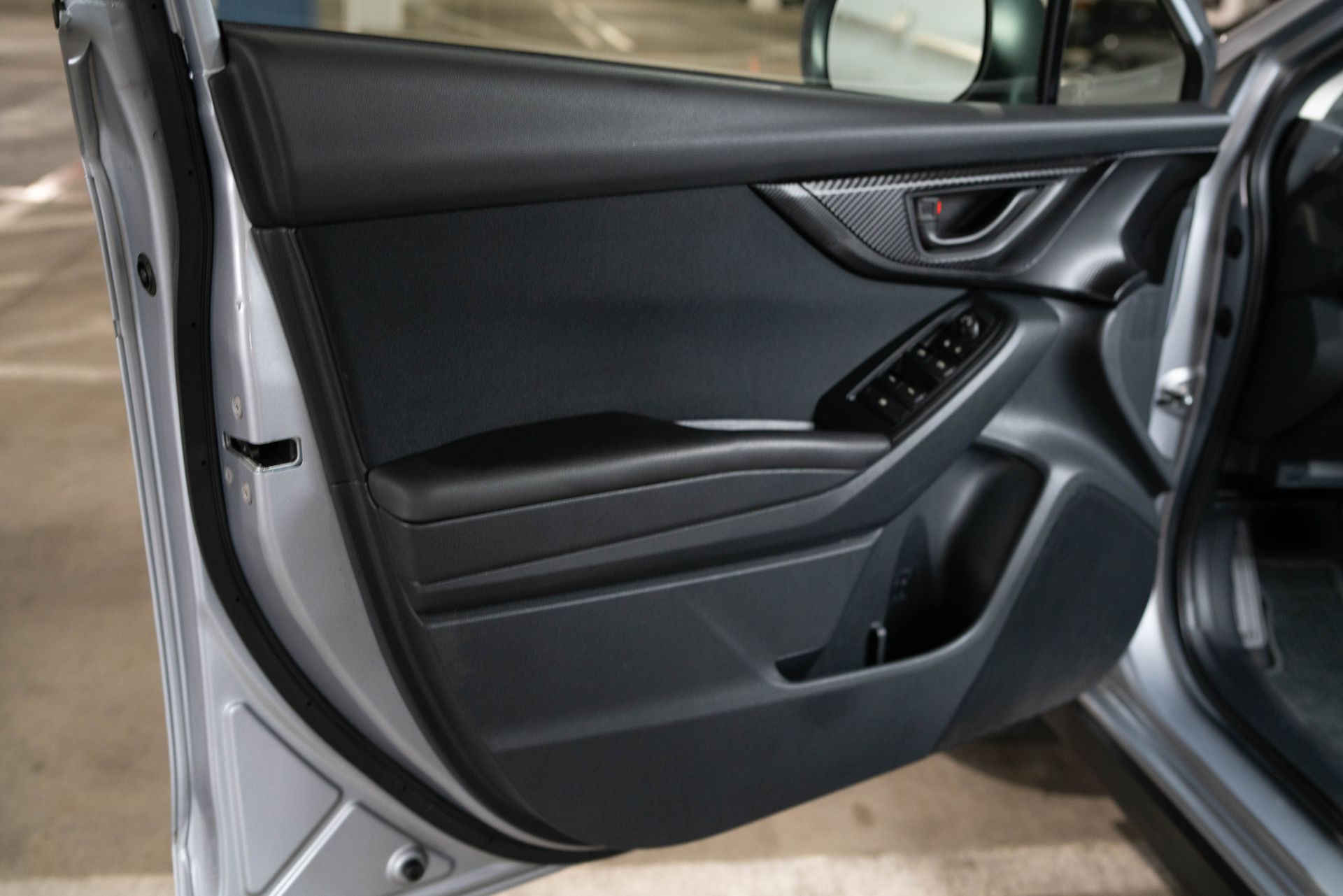
Preventing mold growth in cars is often treated as a cleaning problem. In reality, it is a moisture-management problem. That difference explains why mold so often returns even after a vehicle has been thoroughly cleaned. Most mold issues do not begin with flooding or obvious water damage. They start when moisture becomes trapped inside a vehicle and remains there long enough to support growth. In many cases, a musty odor appears weeks or months before anything is visible. Understanding where that moisture comes from and why it stays trapped is the foundation of effective prevention. What Causes Mold Growth in Cars Mold needs three things to grow: moisture, organic material, and time. Modern vehicles provide all three more easily than most owners realize. Interiors are designed to be quiet, insulated, and weather-tight. Carpet padding, seat foam, headliners, and interior trim all contain organic material that can support growth. Once moisture enters, those same materials slow evaporation and trap humidity below the surface. Moisture does not only come from leaks. Wet clothing, damp floor mats, condensation from air conditioning use, high ambient humidity, and short drive cycles can all introduce water into the cabin. Because vehicles are sealed environments by design, that moisture often has nowhere to go. Why Mold Often Returns After Cleaning Many prevention guides focus on cleaning visible surfaces, improving airflow, and adding desiccants. Those steps can help temporarily, but they often fail to prevent recurrence. The reason is simple. Cleaning removes surface contamination, not the underlying moisture source. Desiccants reduce humidity in the air, not water trapped under carpet or inside HVAC housings. Airflow helps only if moisture can actually escape. When moisture remains below the surface, mold regrowth is a matter of time. Odor treatments may suppress smells temporarily, but they do not address the conditions that allow mold to return. This is why owners often feel they did everything right and still end up with the same problem. Hidden Moisture Sources Most Owners Never Check Effective prevention requires understanding where moisture hides. One of the most common sources is the HVAC system. The air-conditioning evaporator naturally produces condensation. If drainage is restricted or the housing remains damp, mold can develop inside the system and reintroduce spores every time the fan runs. This is why musty smells often appear only when the AC or heat is turned on. Carpet padding is another frequent problem area. Even when the carpet surface feels dry, the padding underneath can remain wet for extended periods. Once contaminated, it can continuously release odor and spores back into the cabin. Exterior drainage also matters. Sunroof drains, windshield cowl drains, and body channels can clog with debris, allowing water to enter slowly and unnoticed. Door and hatch seals that appear intact can still allow moisture intrusion when they harden or shrink over time. These are not obvious problems, which is why they are so often missed. Common Misconceptions About Car Mold Mold only happens after flooding. Flooding is an extreme case, but it is not the most common one. Condensation, humidity, and minor leaks are far more frequent causes. Odor sprays solve mold problems. Odor treatments address symptoms, not conditions. Without moisture control, odor almost always returns. Visible mold is the main concern. By the time mold is visible, it is usually well established. Odor and recurring dampness are earlier and more useful warning signs. Risks, Limitations, and Trade-Offs Improper prevention attempts can make matters worse. Disturbing contaminated materials without drying them can spread spores deeper into the interior. Partial treatments can create false confidence, delaying proper correction while the problem continues to develop. It is also important to be clear about limits. Mold prevention focuses on protecting materials and preventing recurrence. It does not diagnose health conditions. The goal is to manage moisture, preserve interior components, and maintain a stable environment inside the vehicle. When Prevention Matters More Than Remediation Interior materials are not infinite. Carpet padding, seat foam, and insulation degrade over time when repeatedly exposed to moisture and microbial growth. In some cases, replacement is the only long-term solution. This is why experienced professionals often stop short of chasing perfection. Removing every trace of discoloration is less important than eliminating the conditions that allow mold to survive. A stable, dry interior will outperform an aggressively cleaned but still damp one over the long term. Prevention is not about doing more. It is about doing the right things early. Practical Takeaway Preventing mold growth in cars is not about stronger cleaners or better scents. It is about controlling where moisture enters, where it becomes trapped, and how long it remains there. Musty odor is an early warning sign, not a cosmetic issue. Addressing it early, before visible growth appears, prevents more invasive problems later. The most effective prevention strategies focus on moisture pathways, not surface appearances. That approach avoids temporary fixes, reduces recurrence, and protects the interior over the long term. At Westchester Auto Detail, we regularly see moisture-related issues caused by common vehicle-specific intrusion points such as drains, seals, and HVAC systems. In many cases, we recommend addressing the underlying source with a dealership or qualified repair facility before any interior remediation is performed. Once those pathways are corrected, we can help assess interior materials and determine whether preventive measures or targeted remediation are appropriate to reduce the risk of recurrence. That collaborative, vehicle-first approach is what allows long-term solutions rather than temporary fixes.
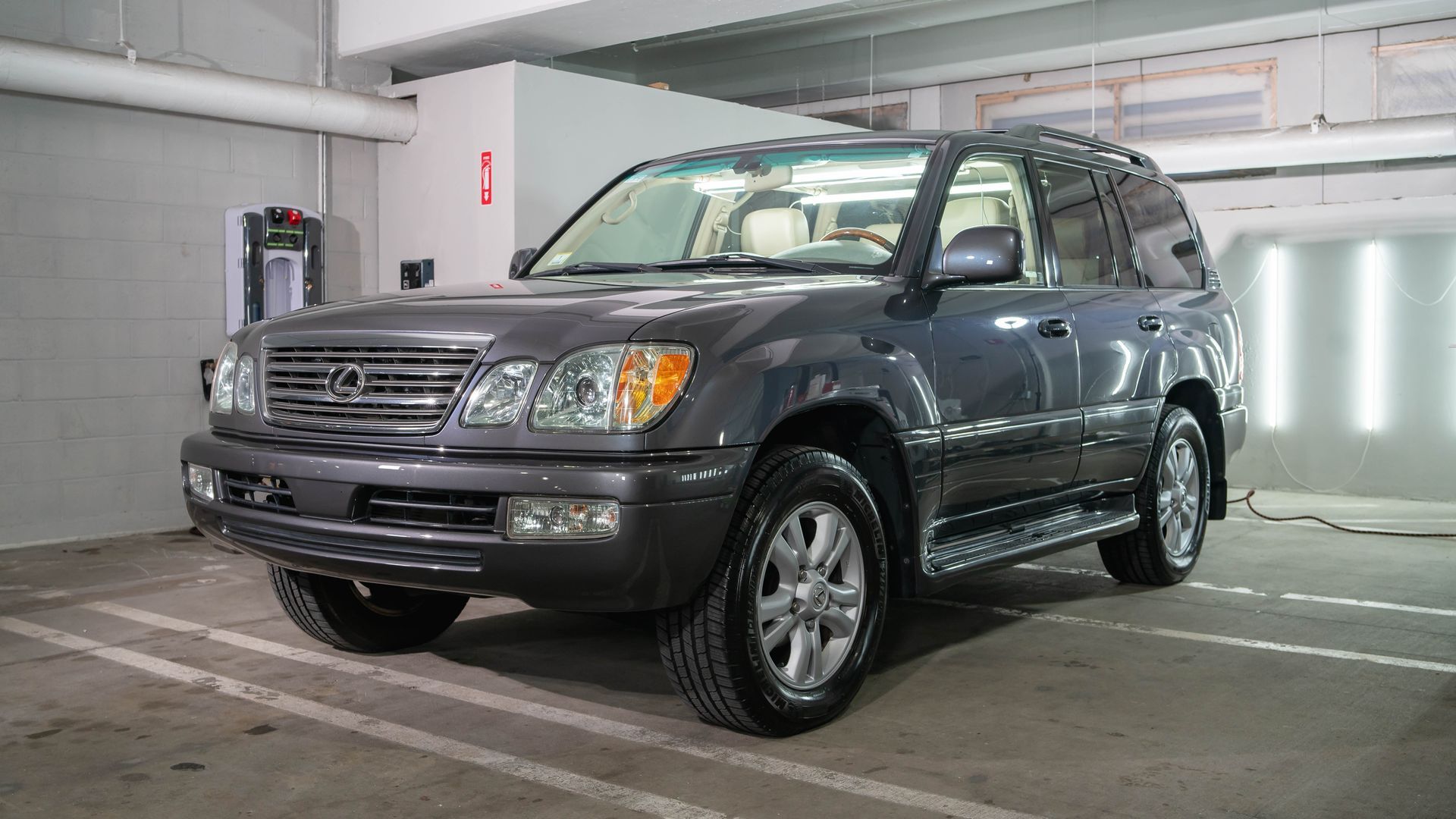
At Westchester Auto Detail, we don’t offer basic car washes. We specialize in high-end detailing, ceramic coatings, and remediation services for drivers who want results—not shortcuts. Whether you're protecting a new vehicle, restoring one that’s been neglected, or addressing deeper issues like mold or water damage, we deliver serious solutions with real long-term value. Ceramic Coatings That Last Our ceramic coating packages aren’t cosmetic. They’re engineered to protect your paint, reduce maintenance, and enhance gloss for years—not weeks. Available in 3-year, 6-year, and lifetime options Full prep included with every service Proper installation by trained technicians Paint-only or full-vehicle packages available We use advanced nano-ceramic technology with proven durability. Your coating is applied in a controlled environment and cured properly to bond with the paint. Correction Before Protection If your paint doesn’t look its best, we fix that first. Our correction process removes swirls, haze, oxidation, and other defects that keep your paint from shining. Single-stage and multi-stage paint correction Scratch reduction and gloss enhancement Machine polishing and panel-specific repair Every coating client receives an honest assessment of the paint’s condition. If it needs more than a light polish, we’ll make it right before protecting it. More Than Clean — Full Restoration Services We specialize in deep-cleaning and restorative services for vehicles affected by water damage, long-term storage, and high use. That includes: Mold and mildew remediation Ozone treatment and enzyme cleaning Water intrusion recovery Full interior reconditioning Standard detailing won’t fix these issues. Our biohazard-level services are designed to treat interiors safely and thoroughly. Trusted by Car Owners Who Care We work with clients who value quality—daily drivers, collectors, luxury owners, and professionals who expect attention to detail. Located at The Westchester in White Plains, our studio serves clients from across Westchester County and beyond. Recognized by Best of Westchester 5-star rated with consistent results Specializing in high-end vehicles and serious care Get a Quote or Consultation We don’t push packages that don’t make sense. Every quote is tailored, every recommendation based on real inspection—not sales scripts. If you’re ready for better care, request a consultation. We’ll help you choose the service that fits your goals, vehicle condition, and long-term plans. Explore Ceramic Coatings → See Our Detailing Services → Contact Us →
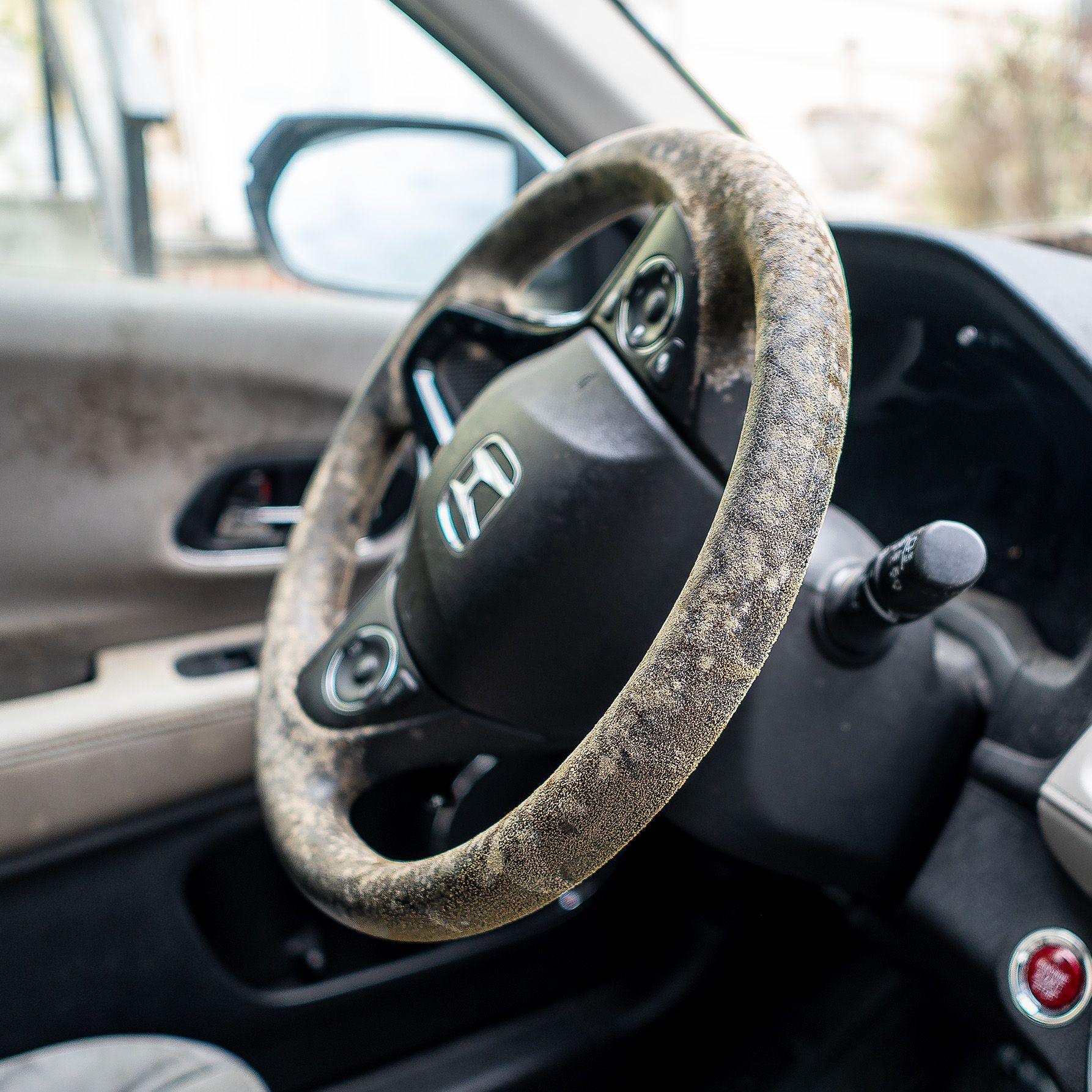
Why quick action is critical — and why standard detailing won’t cut it Finding water inside your vehicle can be stressful- whether it’s from a rainstorm, a clogged sunroof drain, or a slow leak that’s gone unnoticed. Acting fast and taking the right steps can be the difference between a quick fix and a long-term mold problem. Here’s what to do immediately after you notice water intrusion inside of your vehicle. Step 1: Dry the Interior as Thoroughly as Possible Start by removing any standing water using towels or a wet/dry vacuum. Take out floor mats, open the doors or windows (weather permitting), and run fans or a dehumidifier to accelerate drying. But here's what most people don’t realize: Water often seeps deep beneath the carpet and insulation into areas that aren’t visible or accessible without disassembly. Even if the surface feels dry, moisture can linger for days underneath, creating the perfect conditions for mildew and mold to thrive. Step 2: Identify and Repair the Source of the Leak Drying the car is only part of the solution. If the source of the leak isn’t fixed, it’s only a matter of time before the problem returns. Common culprits include: Clogged sunroof or cowl drains Deteriorated door or trunk seals Faulty windshield or rear window seals Leaks in the HVAC system We always recommend having a technician or body shop inspect the vehicle to confirm and repair the root cause before any remediation work begins. Step 3: Bring the Vehicle to a Qualified Water Damage Specialist While it’s tempting to book a basic detail and hope for the best, standard detailing is not designed to handle water intrusion . Water that’s soaked into your vehicle’s padding, insulation, or lower cabin areas requires: Deep extraction to pull moisture from beneath the carpet Steam sanitization to kill bacteria and prevent mold growth Targeted enzyme treatments for contaminated surfaces Ozone or air disinfection to neutralize musty odors Inspection, treatment or replacement of soaked components like cabin filters or insulation This is the level of care that we offer at Westchester Auto Detail , and it’s essential for preventing long-term health risks, corrosion, and persistent odors. Don’t Wait — Water Damage Worsens Over Time Mold doesn’t just smell bad — it can damage your vehicle’s interior, affect air quality, and reduce resale value. The longer moisture lingers, the more likely you’ll face costly repairs down the line. If your car has been exposed to water, especially if it smells musty or shows visible signs of mold, don’t rely on surface cleaning. Bring it to a team that specializes in water damage and mold remediation . 💡 Need Help Now? At Westchester Auto Detail , we offer professional-grade mold remediation and interior decontamination services tailored for water-damaged vehicles. We work with daily drivers, vintage cars, and everything in between. Contact us today to schedule a consultation — we’re here to help you breathe easy again.
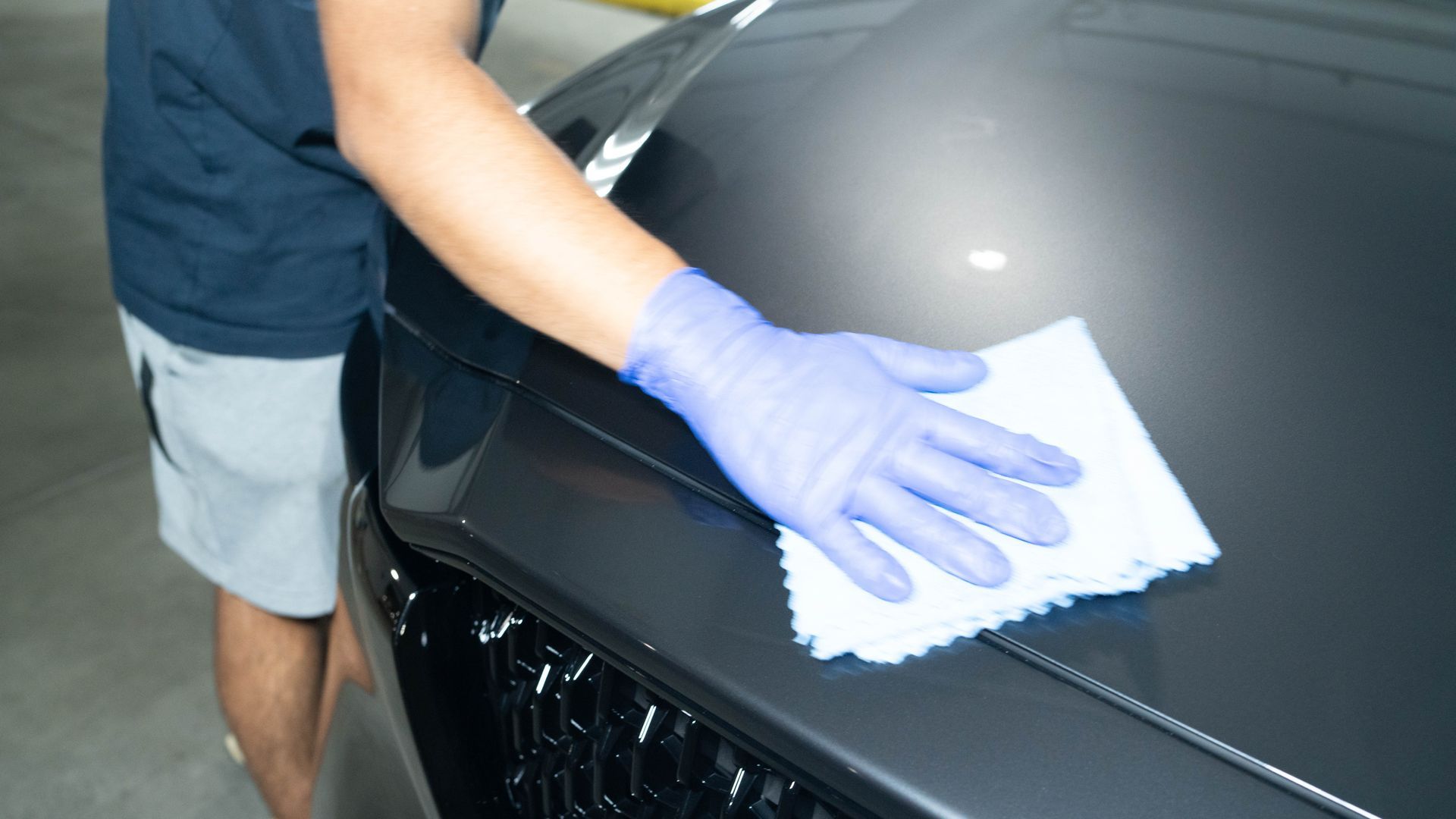
Your PCO car is your business, and just like any business, first impressions matter. A clean, well-detailed car instantly impresses passengers and improves their overall ride experience, leading to positive feedback and ratings. Imagine driving a car with sticky windows, coffee stains on the seats, or dirt accumulated in corners. The passengers will be instantly put off. Some may even consider cancelling the ride, which can directly affect your daily earnings. With car detailing, you can keep these issues at bay. Detailing is different from the standard car wash as it is a thorough process to improve your vehicle’s appearance and preserve its condition. If you are using PCO car hire , then your car provider will handle the detailing process. However, if you drive your own car, then you should know the following tips to keep your car well-detailed. Use the Two Bucket Wash Method Some drivers use a single bucket to wash their cars. This is not an ideal approach as every time you dip the wash mitt into the dirty water and rub it on the surface, you grind dirt and grit right into it, resulting in swirl marks, dullness, or micro-scratches. Over time, this could make your sleek vehicle look neglected, and you will need a paint correction service to restore its original look. That’s why smart drivers use the two-bucket wash method. One bucket contains clean, soapy water while the other bucket is for rinsing your mitt. This prevents the dirt and grit from damaging the vehicle surface and helps you get better results. It’s a small step with a huge impact. Invest in a Quality Interior Cleaner A cheap cleaner may save you money upfront, but it can cost you more in the long run. This is because many cheap interior cleaners leave behind a strong smell, fade fast, and could damage materials. Some even soak into fabric seats and turn them into odour traps. Some passengers are allergic to strong smells, and if your car smells like chemicals, they will consider other options. Now, imagine losing rides because of that. You will end up losing more money than you had saved by buying a cheap product. So, always use a quality interior cleaner, one that doesn’t have a lingering smell, doesn’t damage materials, and works on various surfaces such as dashboards, leather, vinyl, and plastic. Bonus points if it’s safe to use around sensitive areas like infotainment screens. Vacuum the Car Regularly Dust and crumbs can build up under the seats, in footwells, and between the seat cushions. Sometimes, regular cleaning is not enough to remove them from your car. You need to vacuum it to properly get rid of them. So, get yourself a cordless vacuum and use it at least twice a week, particularly if you are doing long shifts, because the more passengers you pick up, the faster the mess builds up. However, there’s no hard and fast rule as to how often you should vacuum the car. Watch for passengers who eat food during a ride. If any crumbs are left behind, vacuum the car immediately to provide the next passengers with a clean environment. Don’t Forget the Headliner Headliner is the ceiling of the car. Many drivers ignore it, thinking it’s not as important as other parts of the car. However, this is a big mistake. Like any other area, the headliner can accumulate dust, grease, odours, and airborne grime. In fact, most smells in the car stick to the headliner. The food you ate during a break, the coffee a passenger just drank in your car, or even the sweat from riders - those smells all cling to the headliner. Once these smells settle, no amount of air freshener will hide them. That’s why you should regularly clean the headliner as well. Remember to use a microfibre cloth with a gentle cleaner and lightly wipe the surface. Don’t scrub too hard, as it can loosen the glue underneath. Keep Microfibre Cloths in Your Glovebox Whether you drive your own vehicle or PCO rental cars , you should always have microfibre cloths within arm’s reach during your shifts because you may need them at any time. Let’s suppose someone touches your car's windows and leaves behind oily fingerprints, sneezes near the dashboard, or spills coffee. A microfibre cloth will help you clean the surface immediately. These cloths are designed to remove dirt, dust, and oil at microscopic level without scratching the surface. Keep at least four sets of microfibre cloths in your car: one for glass surfaces, one for interior plastics, one for emergency spills, and one for wet cleaning. Use a Detailing Brush for Vents and Buttons Vents and buttons are among the most-used parts of PCO cars. Dirt and grime could quickly build up in these areas and negatively impact the appearance of your car’s interior. Many PCO drivers use a detailing brush for vents and buttons. Remember that a detailing brush is different from a toothbrush or a paintbrush. It comes with soft-bristles specially designed for narrow and delicate surfaces. It’s gentle enough to prevent scratches, but strong enough to pull out dirt, hair, crumbs, and other mess from areas where microfibre cloths don’t work. The best part is that it’s affordable and takes just a few minutes to clean. Schedule a Monthly Deep Clean Despite the regular DIY cleaning, you should book a monthly deep clean with a professional company as well. Make sure every inch of your vehicle gets attention during that session. Get the carpets shampooed to remove the buildup of dirt, salt, and spilt takeaways. The seats, especially if they’re made of fabric, should be steam-cleaned, while the vents and even cupholders need to be scrubbed spotless. The same goes for the outside. Get your car body properly polished and waxed. Make sure the scratches are fixed with a scratch removal and repair service, and the tyres should get some treatment as well. The cleaner the car, the better the passenger experience. Conclusion The way you present your car matters a lot. A clean, well-detailed vehicle sets the tone for a pleasant passenger experience that ultimately results in five-star ratings. On the other hand, a car that looks dull and neglected could leave a negative impression on the passengers. Start following the tips we mentioned above, and you will instantly notice a difference in how the riders respond.

Acidic cleaners represent a critical category of professional detailing products, operating below pH 7 on the chemical scale. These specialized solutions play an essential role in modern detailing but require proper understanding and handling protocols. This guide provides comprehensive information for professional detailers and serious enthusiasts about the effective and safe use of acidic cleaning products. Understanding the Chemistry Professional-grade acidic cleaners function through specific chemical reactions that target inorganic contaminants. These products are particularly effective at: Dissolving mineral deposits Breaking down iron contamination Removing brake dust Treating oxidation Eliminating water spots Common Uses for Acid in Professional Detailing Wheel Cleaners Acid based wheel cleaners are a popular choice in car detailing because of their powerful ability to clean wheels and brakes. Acidic wheel cleaners are specifically formulated to tackle brake pad deposits, rust, and other stubborn contaminants found on rims and hubcaps. They commonly contain strong acids with a pH around 1 . Caution is advised when using acid on wheels. Improper use can result in severe damage to wheel finishes, particularly on polished, chrome, or aluminum surfaces. It’s important to keep an eye on dwell time of the chemical and to ensure that it is not being dried on the surface or kept in direct sunlight. These chemicals can damage paint and glass if not used properly. Fall Out Removers Fall out removers with a neutral pH are normally recommended for ongoing paint and wheel maintenance. While they are less aggressive than acidic cleaners, they offer similar benefits when decontaminating wheels and paint with less risks of degradation of surfaces or misuse. Gentle acidic products like Crystal Wash by P&S can be used for removing inorganic contaminants like metal filings and rust, while also addressing limescale and water spots on windows and paint surfaces. Benefits of Using Acidic Chemicals When Detailing Acids are effective in removing mineral deposits, like water spotting, rust and other inorganic residues. Most water spot removal chemicals are a form of a gentle acid capable of breaking down calcium and salt deposits that occur during the winter. When using a water spot remover, we always recommend following the instructions on the chemical. Wash the panel off after use of the chemical to ensure there are no residues left over. A variety of shampoos designed for unclogging ceramic coatings sit at a pH slightly below 7. Using acids in turn requires less agitation for a deeper clean of wheels or a ceramic coating, preserving the surface, avoiding scratches or premature aging of the materials. Potential Risks of Using Acids on Cars While acidic chemicals offer numerous benefits for car detailing, using these chemicals requires caution. Acidic cleaners can harm vehicle finishes, especially if they come into contact with paint or anodized aluminum surfaces. Some acidic products contain hazardous substances that can pose serious health risks, such as skin irritation or respiratory issues, necessitating the use of protective equipment during application. Protective gear, such as gloves and goggles, should always be worn to safeguard against splashes, and it is advisable to conduct a spot test on inconspicuous areas to ensure compatibility with the surface being cleaned.
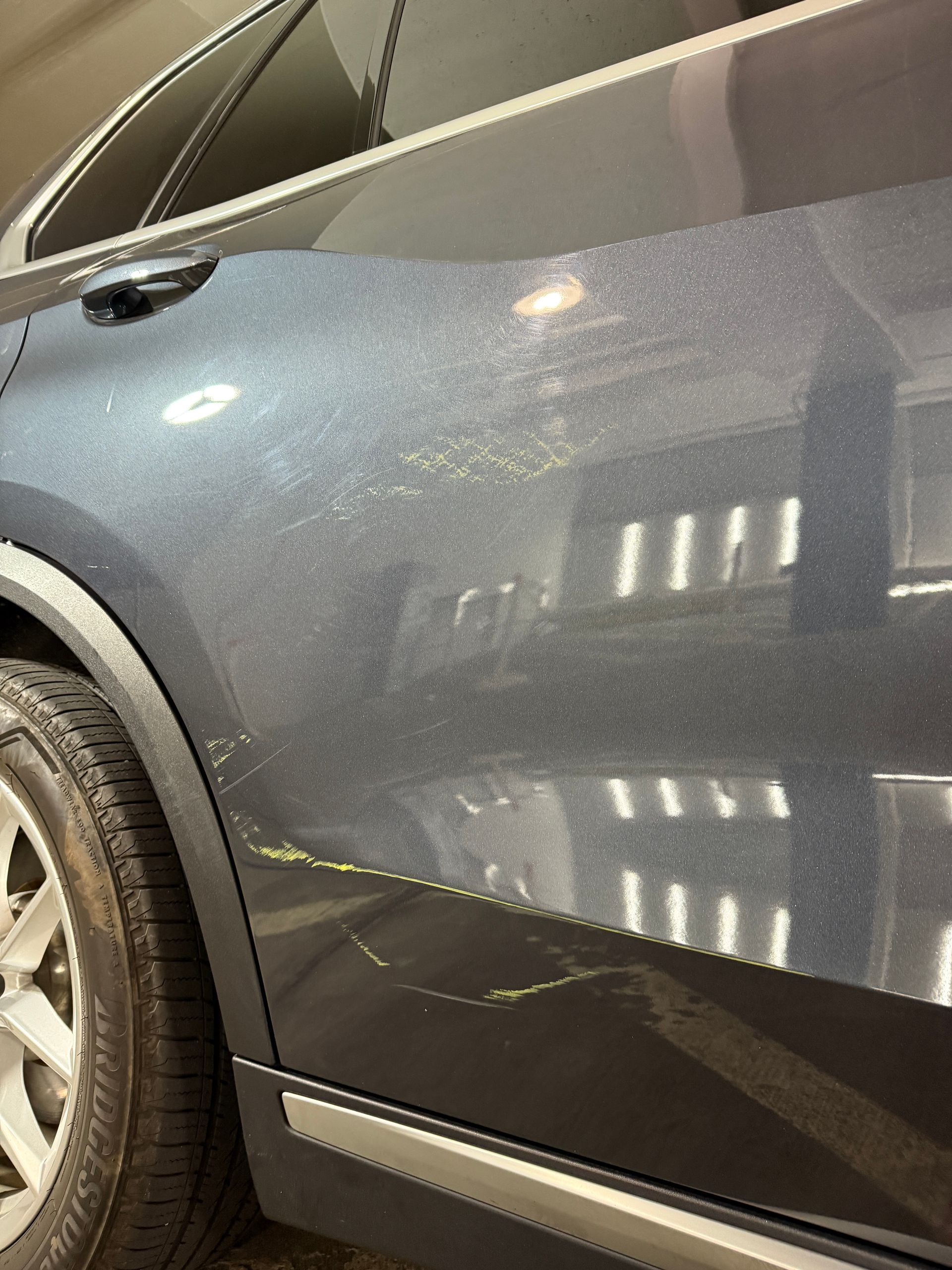
Parking garages can be challenging environments for your vehicle, with tight spaces, low ceilings, and the risk of accidental damage. Whether it's a minor scratch or a more significant dent, knowing how to assess and address the damage is crucial. This article will guide you through identifying common types of damage, understanding when professional help is needed, and learning how to prevent future incidents. Common Types of Damage in Parking Garages 1. Scratches: These are often caused by other vehicles brushing against your car. Scratches can range from superficial to deep, potentially affecting the paint or even the metal beneath. 2. Dents: Dents occur when another vehicle collides with your car, often during parking maneuvers. These can vary in severity, from small dents to more extensive damage. 3. Paint Transfer: This happens when another car's paint transfers onto your vehicle, usually due to a minor scrape or bump. While not as severe as other types of damage, it can still be unsightly. Assessing the Damage If your car is damaged in a parking garage, the first step is to assess the extent of the damage. Here's how to do it: Check for Paint Transfer: If you notice a different color on your bumper or another part of your car, it could be paint transfer. This is often a sign of a minor scrape. Inspect for Scratches: Run your hand over the affected area to feel for scratches. If the paint is rough or uneven, it may require touch-up. Look for Dents: Examine the body of your car for any dents or depressions. These can be a sign of a more significant impact. Check for Primer or Plastic Exposure: If the damage has exposed the primer or the underlying plastic, it indicates more severe damage that likely requires professional repair. When to Seek Professional Help Exposed Primer or Plastic: If the paint has been removed and the primer or plastic is visible, a professional touch-up or respray is necessary. Severe Scratches or Dents: Deep scratches or large dents should be addressed by a professional to prevent further damage or rust. Uncertain Damage: If you're unsure about the extent of the damage, it's always safer to consult a professional. Repairing Parking Garage Damage 1. Paint Touch-Up: For minor paint transfer or scratches, a paint pen can be used to touch up the affected area. Ensure you use a color that matches your car's paint. Follow these steps: - Clean the area thoroughly. - Lightly sand the edges of the damage to blend the paint. - Apply the touch-up paint in thin layers. - Allow each layer to dry before applying the next. - Finish with a clear coat if necessary. 2. Paint Correction and Polishing: For lighter scratches, paint correction using fine abrasive materials can smooth out the surface. Polishing will then restore the shine. 3. Dent Repair: Depending on the severity, dents can be repaired using paintless dent repair (PDR) for minor dents or traditional body work for more significant damage. Preventing Damage in Parking Garages To minimize the risk of damage, consider the following tips: Park Strategically: Choose a spot that offers enough space to maneuver without risking contact with other vehicles. Avoid Tight Spaces: If the space is too tight, it's better to find another spot to park. Use Sensors: If your car has parking sensors, rely on them to help judge distances accurately. Be Cautious When Backing Out: Take your time and check your surroundings before reversing. Consider Protective Covers: Using protective covers can add an extra layer of defense against minor scratches and dents. Insurance and Legal Considerations If the damage was caused by another driver, consider filing a claim with your insurance company. Document the incident with photos and contact information from the other party. If the parking garage management is responsible, they may have liability insurance to cover the damage. Dealing with parking garage damage can be frustrating, but with the right knowledge and approach, you can address the issue effectively. By assessing the damage accurately, knowing when to seek professional help, and taking preventive measures, you can protect your vehicle and maintain its appearance. Remember, a proactive approach can save you time, money, and hassle in the long run.

Detonation nanodiamonds (DNDs) are more than just a scientific curiosity—they’re a groundbreaking material with the potential to transform industries ranging from automotive coatings to biomedicine . Born from controlled explosions , these tiny diamond crystals are reshaping how we think about durability, performance, and innovation. In this article, we’ll dive deep into the science, history, and applications of DNDs, offering a complete resource for anyone interested in this fascinating field. What Are Detonation Nanodiamonds? The Basics of DNDs Detonation nanodiamonds are tiny diamond particles, typically 3–5 nanometers in size, created by detonating explosives with a negative oxygen balance, like as a mixture of trinitrotoluene (TNT) and hexogen (RDX)in a controlled environment . The carbon atoms in the explosives rearrange into a diamond’s signature sp³ carbon lattice structure , giving DNDs their exceptional hardness and durability. Despite their small size, these particles pack a punch, offering unique properties that make them invaluable in a variety of applications.

Throughout human history, the quest to protect and preserve surfaces has driven remarkable innovation. What began with ancient Chinese potters developing protective ceramic coatings for their vessels has evolved into today's cutting-edge nanotechnology solutions. This journey spans more than four millennia, weaving through diverse cultures and technologies, from Japanese samurai swords to horse-drawn carriages, and ultimately to modern automotive and aerospace applications. The story of surface protection is one of continuous innovation and adaptation. Each era brought new challenges and solutions, from the early enameling techniques of Ancient Greece and Rome to the revolutionary developments in the automotive industry during the 20th century. As we explore this fascinating timeline, we'll see how each advancement built upon previous discoveries, leading to the sophisticated ceramic coatings we use today. This evolution represents more than just technological progress – it reflects humanity's persistent drive to protect and preserve our most valuable assets, whether they were ancient pottery, medieval weapons, or today's high-performance vehicles. Let's trace this remarkable journey from its ancient origins to the present day's advanced protective solutions.

Discover the science behind nano diamonds and their transformative role in advanced ceramic coatings. In recent years, the use of nano diamonds —tiny diamond particles measuring just billionths of a meter (nanometers)—has gained significant attention in various industries. These microscopic gems are not only fascinating from a scientific perspective but also hold immense potential for practical applications, particularly in advanced materials like ceramic coatings . What Are Nano Diamonds? Nano diamonds are minuscule diamond particles produced through processes such as detonation synthesis. When an explosive containing carbon compounds is detonated under controlled conditions, the intense heat and pressure generated mimic the natural formation of diamonds deep within Earth's mantle . The result? Pure carbon atoms rearrange themselves into crystalline diamond structures at the nanoscale. Extreme hardness: Retains legendary durability even at the nanoscale. High thermal conductivity: Efficiently transfers heat, ideal for demanding environments. Chemical inertness: Resists corrosion and chemical reactions, ensuring longevity. Large surface area: Enables better interaction with other materials. The Role of Nano Diamonds in Ceramic Coatings Ceramic coatings are widely used for protecting surfaces against wear, abrasion, corrosion, and thermal degradation. By integrating nano diamonds into these coatings, manufacturers can significantly improve their mechanical, thermal, and functional properties. Key Benefits: Improved Hardness and Durability: Enhances resistance to chipping, and erosion, also making scratching less likely. Enhanced Thermal Conductivity : Reduces overheating and thermal stress. Reduced Friction and Wear: Acts as nanoscale lubricants, reducing energy loss. Superior Adhesion and Uniformity: Ensures strong bonding and prevents delamination . Optical and Aesthetic Benefits: Enhances glossiness and optical clarity. Applications of Nano Diamond-Infused Ceramic Coatings The versatility of nano diamond-enhanced ceramic coatings opens up numerous possibilities across industries: Automotive Industry: Ceramic coatings play a crucial role in protecting car exteriors and interiors from scratches, UV damage, and environmental wear. At Westchester Auto Detail, we use C6 Ceramic Coatings , the only product on the market created through cold detonation physics to incorporate Refined Detonated Nano Diamonds . Unlike other brands, such as CarPro’s DQuartz, which use standard nanodiamonds, C6’s refinement process ensures a higher concentration and superior quality of nano diamonds. This results in enhanced hardness, durability, and resistance to wear, making it the ideal choice for automotive applications. The refined nano diamonds also improve the coating’s ability to bond with surfaces, providing long-lasting protection and a deeper, more vibrant shine. Aerospace Engineering: Shielding aircraft components from extreme temperatures and abrasion. Medical Devices: Providing biocompatible, antibacterial coatings for surgical instruments. Electronics Manufacturing: Safeguarding delicate circuits and semiconductors. Industrial Machinery: Extending the life of heavy-duty equipment by reducing wear. Challenges and Future Prospects While the integration of detonated nano diamonds into ceramic coatings offers groundbreaking advantages, there are still challenges to address: Cost: Producing nano diamonds via detonation synthesis is expensive. Scalability: Scaling up production while maintaining quality remains a technical hurdle. Environmental Concerns: Use of explosives raises sustainability and safety questions. Despite these obstacles, ongoing research aims to optimize production methods and explore alternative synthesis techniques. As costs decrease and technologies advance, we can expect nano diamond-enhanced ceramic coatings to become more accessible and ubiquitous. Conclusion Detonated nano diamonds represent a revolutionary advancement in material science, offering unparalleled enhancements to ceramic coatings. From boosting hardness and thermal management to reducing friction and improving aesthetics, these tiny yet mighty particles unlock new possibilities for innovation. As researchers continue to refine this technology, one thing is clear: the future of protective coatings shines brighter—and harder—than ever before.

A common misconception in the world of ceramic coatings is that two layers automatically equates to better performance. The truth is much more nuanced than this. Professional ceramic coatings vary significantly in their formulations, properties, and durability ratings, regardless of the number of layers applied. A high-quality single-layer coating, properly applied, can offer exceptional protection and longevity.

AC drainage issues can pose the tricky problem of sneaky vehicle water damage, turning your car into a breeding ground for mold, causing health risks. Oftentimes, water improperly drains onto the super absorbent padding on the underside of the interior carpets. This problem normally occurs after a blockage in the AC outlet hose, when the hose is shifted out of place, or with kinks or bends in the hose, leaking water inside of the vehicle. This enclosed, waterlogged carpet is a source of moisture, creating the perfect place for mildew, mold and bacteria growth. The dark, humid environment of a car, especially under the carpet, provides ideal conditions for mold spores, which are present everywhere in the air to settle, grow and thrive. The absorbent carpet fibers and padding act like a sponge, absorbing and retaining moisture. This trapped water, combined with the lack of airflow and sunlight under the carpet, creates the perfect environment for mold to multiply rapidly, often undetected until a musty odor becomes noticeable, if not unbearable.

Affiliate Disclosure: This article contains affiliate links to products we believe in. If you make a purchase through these links, we may earn a commission at no extra cost to you. This helps support our work and allows us to continue providing valuable content.