



Remove Mold From Car Seats Safely Without It Returning
January 17, 2026

Removing mold from car seats and carpets safely is not just about killing what you can see. In vehicles, mold problems are usually driven by trapped moisture, and improper cleaning can spread contamination deeper or create conditions for regrowth. A safe approach focuses on limiting disturbance, controlling moisture, and ensuring affected materials are actually dry beneath the surface.
This guide explains what safe removal looks like, why common DIY methods often fail, and how to recognize when deeper remediation or repair-first steps are necessary.
What the Process Actually Is
Safe mold removal in a vehicle is a controlled remediation process, not aggressive scrubbing. The goal is to reduce contamination while avoiding over-wetting or spreading spores into seat foam, carpet padding, or the HVAC system.
At a high level, the process responds to three conditions: moisture, organic residue, and time. It exists to interrupt those conditions without damaging interior materials. What it does not do is guarantee permanent results if moisture sources remain active or materials are already degraded.
A safe approach typically includes assessment, limited surface cleaning, controlled extraction, thorough drying, and prevention planning. Skipping any of these steps increases the risk of recurrence.
Why This Problem Exists (Cause and Effect)
Vehicles are uniquely vulnerable to mold because they combine porous materials with limited airflow. Fabric seats, seat foam, carpet padding, and insulation absorb and retain moisture far longer than most people realize.
Moisture enters through common situations such as wet clothing, spills, rain intrusion, condensation from air conditioning use, or long-term storage in humid conditions. Even when the surface feels dry, moisture can remain trapped underneath.
Cause-and-effect patterns are consistent:
- Moisture trapped in seat foam leads to odor that returns after cleaning.
- Carpet padding that stays damp allows spores to survive and spread upward.
- HVAC evaporator moisture can recirculate contamination through the cabin when the fan runs.
This is why surface cleaning alone rarely solves the issue.
Decision Points That Change the Outcome
Not every mold situation should be handled the same way. Several factors determine whether limited DIY cleaning is reasonable or likely to fail.
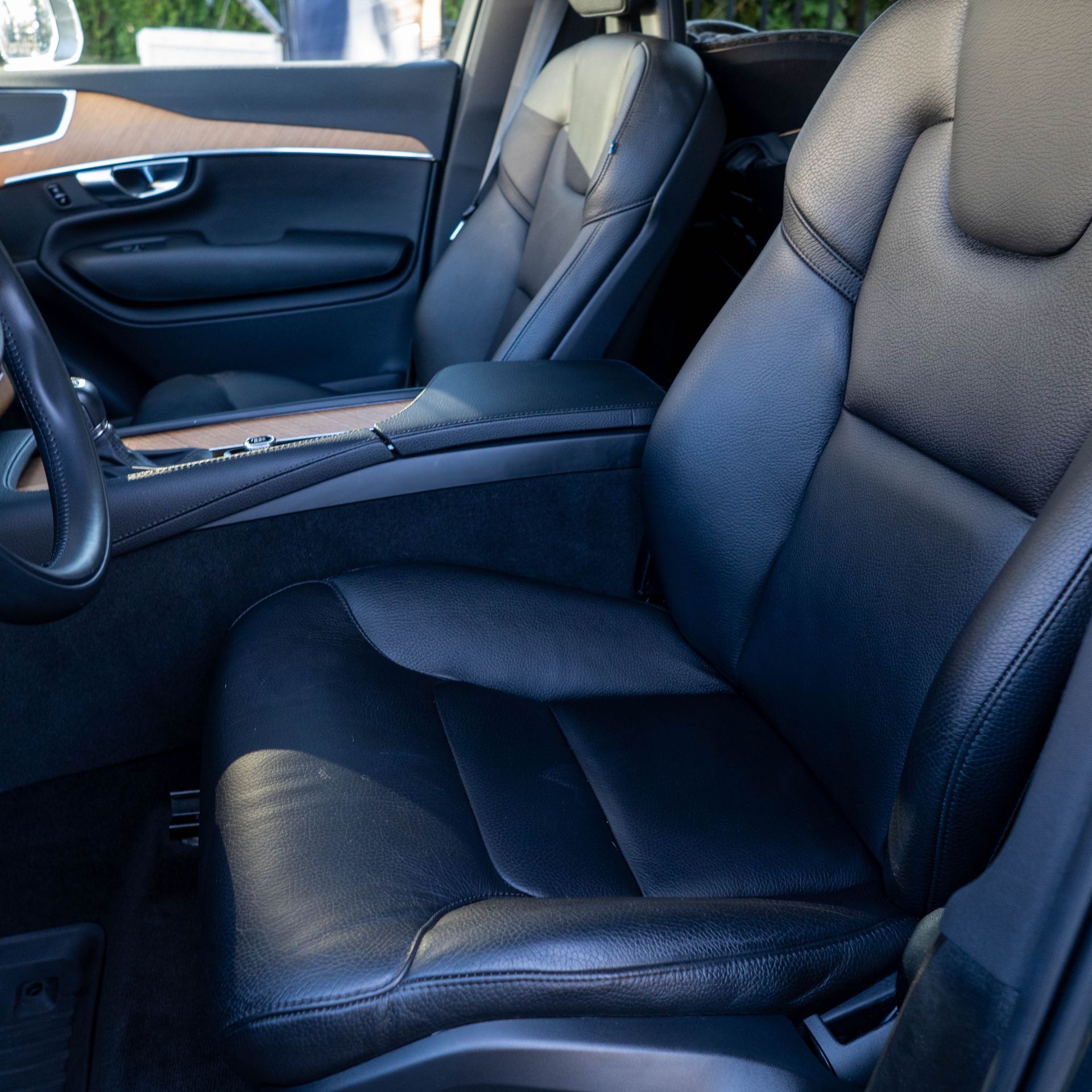
Material type matters. Fabric seats behave differently than leather, and both differ from foam and padding underneath. Light surface spotting on fabric can sometimes be addressed cautiously. Foam saturation beneath the surface is a different problem entirely.
Severity and duration also matter. Recent, localized exposure is easier to stabilize than long-term dampness or widespread odor. If moisture has been present for weeks or months, deeper involvement is likely.
Source status is critical. If water intrusion from a leak, drain, or seal is ongoing, interior cleaning should pause until that source is corrected. In those cases, a dealership or qualified repair facility is often the appropriate first step.
Restraint is required when tools or drying capacity are limited. Over-wetting seats or carpets without proper extraction and drying often makes the problem worse.
Common Misconceptions
Vinegar or steam alone removes mold safely.
These methods may improve appearance but do not address moisture trapped below the surface. Overuse can increase saturation and recurrence risk.
If the stain is gone, the problem is solved.
Mold often persists in foam or padding even when the surface looks clean.
Odor sprays or fogging treatments fix mold.
These products may mask smells temporarily but do not remove moisture or embedded contamination.
Risks, Limitations, and Trade-Offs
Improper removal attempts can spread contamination deeper into interior materials. Aggressive brushing, compressed air, or over-saturation can force spores into foam and padding where drying becomes difficult.
Cross-contamination is another risk. Tools that are not properly cleaned can transfer spores between areas or vehicles.
There are also clear limits. Mold removal cannot reliably restore materials that have broken down structurally. In some cases, replacement is the only stable option.
This article focuses on protecting vehicle materials and reducing recurrence. It does not diagnose health conditions or guarantee outcomes.
When Preservation Matters More Than Results
Interior materials are finite. Seat foam and carpet padding degrade with repeated wetting and microbial activity. Chasing perfect cosmetic results can sometimes create more long-term risk than improvement.
Experienced professionals often stop before full saturation or disassembly when the risk outweighs the benefit. Stability, dryness, and prevention matter more than making a surface look perfect for a short time.
Frequently Asked Questions
Can mold grow without visible spots on seats?
Yes. Odor often comes from foam, padding, or HVAC components before mold is visible.
Is it safe to scrub mold out of fabric seats?
Light surface cleaning may help, but aggressive scrubbing can spread contamination and force moisture deeper.
Why does the musty smell come back after cleaning?
Because moisture or contamination remains below the surface or within the HVAC system.
Should I clean mold if my car has an active leak?
No. The source should be repaired first to prevent repeat contamination.
When should I stop DIY and consult a professional?
When odor persists, materials remain damp, or foam and padding are involved.
Practical Takeaway
Safely removing mold from car seats and carpets is less about stronger cleaners and more about controlling moisture, limiting spread, and confirming that materials are dry beneath the surface. DIY cleaning can be appropriate in limited cases, but it becomes unreliable when foam, padding, or ongoing moisture are involved.
Addressing the source first, using restraint, and understanding vehicle-specific systems prevents recurrence and protects interior materials over the long term.