


Understanding Ceramic Coating Formulations: Why More Layers Don't Always Mean Better Protection

September 30, 2024
Key Takeaway: A properly applied single-layer ceramic coating can provide excellent protection when properly formulated and applied.

A common misconception in the world of ceramic coatings is that two layers automatically equates to better performance. The truth is much more nuanced than this. Professional ceramic coatings vary significantly in their formulations, properties, and durability ratings, regardless of the number of layers applied. A high-quality single-layer coating, properly applied, can offer exceptional protection and longevity.

What factors go into ceramic coating durability?

  1. Proper paintwork preparation: Thorough decontamination is essential for achieving optimal adhesion. This paint preparation involves a multi-stage process, beginning with a thorough decontaminating wash to remove loose dirt. Iron decontamination comes next, using a specialized chemical to dissolve embedded ferrous (iron) particles, normally caused by brake dust. A clay bar or mitt then physically removes any remaining bonded contaminants, leaving a perfectly smooth surface. While optional, polishing is highly recommended as it removes minor imperfections like swirl marks and light scratches, creating a flawless base for the coating and maximizing gloss, while also creating a fresh canvas for the ceramic coating application.

  2. Application conditions: All conditions must be met as per the manufacturer requirements in order to ensure optimal performance. This could include the appropriate temperature and humidity to avoid impacting the ceramic coating’s longevity. Direct sunlight, extreme heat, and cold temperatures should be avoided as they can negatively impact the coating's properties and longevity. A controlled environment, such as a clean garage or professional detailing shop, provides the ideal setting for ceramic coating application. 

  3. Application technique: Coatings must be applied uniformly on thoroughly prepared paint. This can mean using a cross hatching or circular motion when applying to ensure that there is an even layer of the ceramic coating on the panel. Using the correct amount of ceramic coating can be the difference between an application with or without high spots. The coating must be leveled with excess removed to prevent streaking and ensure a flawless finish.

Are there advantages to two layer ceramic coatings opposed to single layer ceramic coatings?

The effectiveness of a ceramic coating isn't solely determined by the number of layers, but rather by the quality of the product itself and the precision of its application. While some manufacturers design their systems with a base coat and a top coat, this doesn't automatically translate to superior performance compared to a high-quality single-layer coating. 


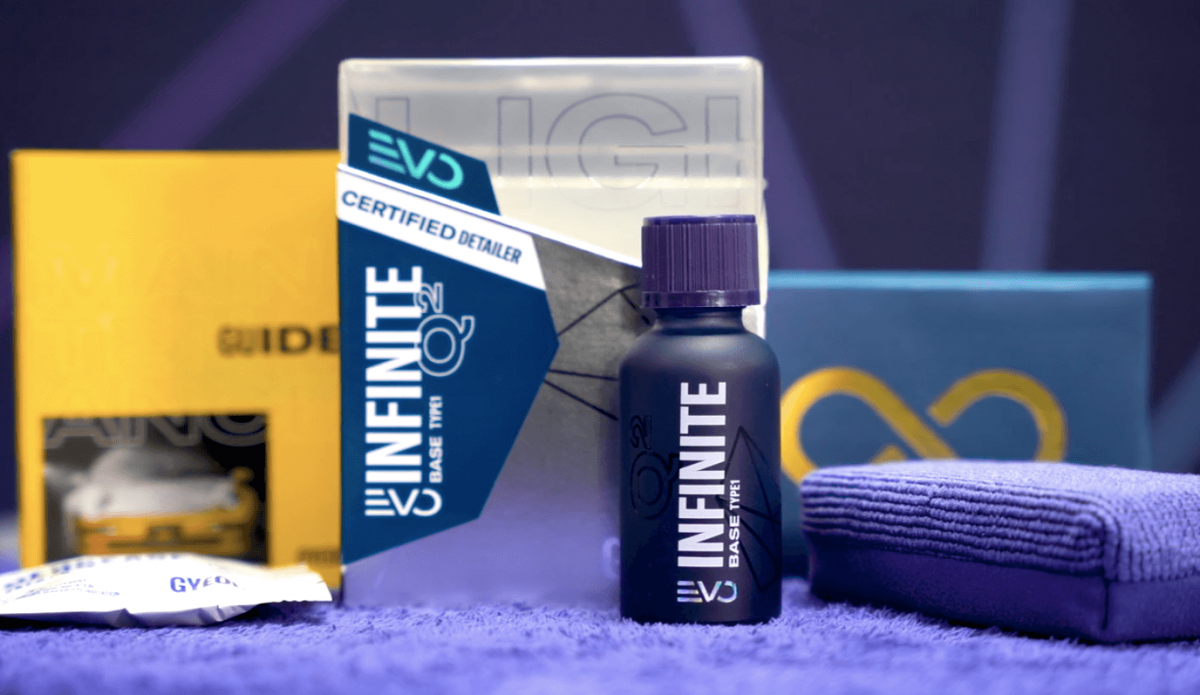
For instance, Gyeon Infinite Professional Ceramic Coating utilizes a two-layer system. The base coat provides the primary protective layer, focusing on adhesion and durability. The top coat adds an extra layer of gloss and enhances the hydrophobic properties, creating a more pronounced water-beading effect. This two-layer approach allows for a tailored approach, maximizing both protection and visual appeal.


However, advancements in ceramic coating technology have led to the development of incredibly durable single-layer coatings. C6 Ceramics' Nano Diamond coating, for example, offers exceptional hardness and longevity with just one application. Its advanced formulation incorporates nano-diamond particles for increased scratch resistance and a deep, glossy shine. This demonstrates that a single, well-formulated layer can rival the performance of a multi-layer system.


Ultimately, the best ceramic coating for your vehicle depends on your individual needs and priorities. A knowledgeable detailer will consider your lifestyle, driving conditions, and desired level of protection to recommend the most suitable product, whether it's a single-layer or multi-layer system. The key is to focus on the quality of the product and the expertise of the installer, rather than solely on the number of layers applied. A properly applied, high-quality single-layer coating can offer exceptional protection and longevity, often matching or exceeding the performance of a poorly applied two-layer system.


So then why doesn’t everyone formulate a single layer ceramic coating?

That's a great question, and it highlights the complexity of ceramic coating chemistry. Developing a single-layer coating that excels in all areas – durability, gloss, hydrophobicity, ease of application, and more – is a significant challenge. While some manufacturers have achieved this with advanced formulations, others opt for a multi-layer approach for several reasons:


Balancing Competing Properties: It's difficult to pack all desired characteristics into a single layer. Sometimes, the chemicals that enhance hardness and durability might detract from gloss or hydrophobicity. A multi-layer system allows manufacturers to separate these properties, optimizing each layer for a specific purpose. The base coat might prioritize adhesion and protection, while the top coat focuses on enhancing gloss and water-beading.


Tailoring Performance: A multi-layer system allows for greater flexibility in tailoring the coating's performance. By adjusting the composition of each layer, manufacturers can create coatings with varying levels of hardness, gloss, and hydrophobic properties to meet specific needs.


Simplifying Application: In some cases, a multi-layer system can actually simplify the application process. Applying thinner, individual layers can be easier to manage than a single, thicker layer, reducing the risk of high spots and unevenness.


Marketing and Perceived Value: Let's be honest, the perception of "more layers = better protection" persists in the market. Some manufacturers might leverage this perception by offering multi-layer systems, even if a single-layer formulation could achieve comparable results.


While single-layer coatings are becoming increasingly sophisticated, the multi-layer approach remains a viable option for achieving a balanced and tailored performance profile. Ultimately, the best approach depends on the specific chemistry and desired characteristics of the coating.

What are some common mistakes while applying ceramic coatings?

Ceramic coatings require a high level of experience in order to perform properly. Many detailers have the ability to apply a ceramic coating at a satisfactory level, but the experience required to apply the same coating at an expert level can be the difference between a good and great application. 


Common issues that happen amongst different levels of detailers include high spots, improper decontamination, use of the wrong towels, working outside of ideal conditions, or lack of proper curing. Avoiding and troubleshooting issues comes with the territory of a great ceramic coating application. Don’t settle, compromising the durability and effectiveness of the ceramic coating.

How can I ensure that I’m picking the best ceramic coating?

We recommend choosing a reputable ceramic coating installer for your ceramic coating, certified with their manufacturer’s certification. We believe a great detailer will understand your needs and work with the newest and best products, knowledgeable about the unique features each has to offer. Westchester Auto Detail offers an updated and handpicked ceramic coating offering to exceed the industry standard.
April 29, 2026
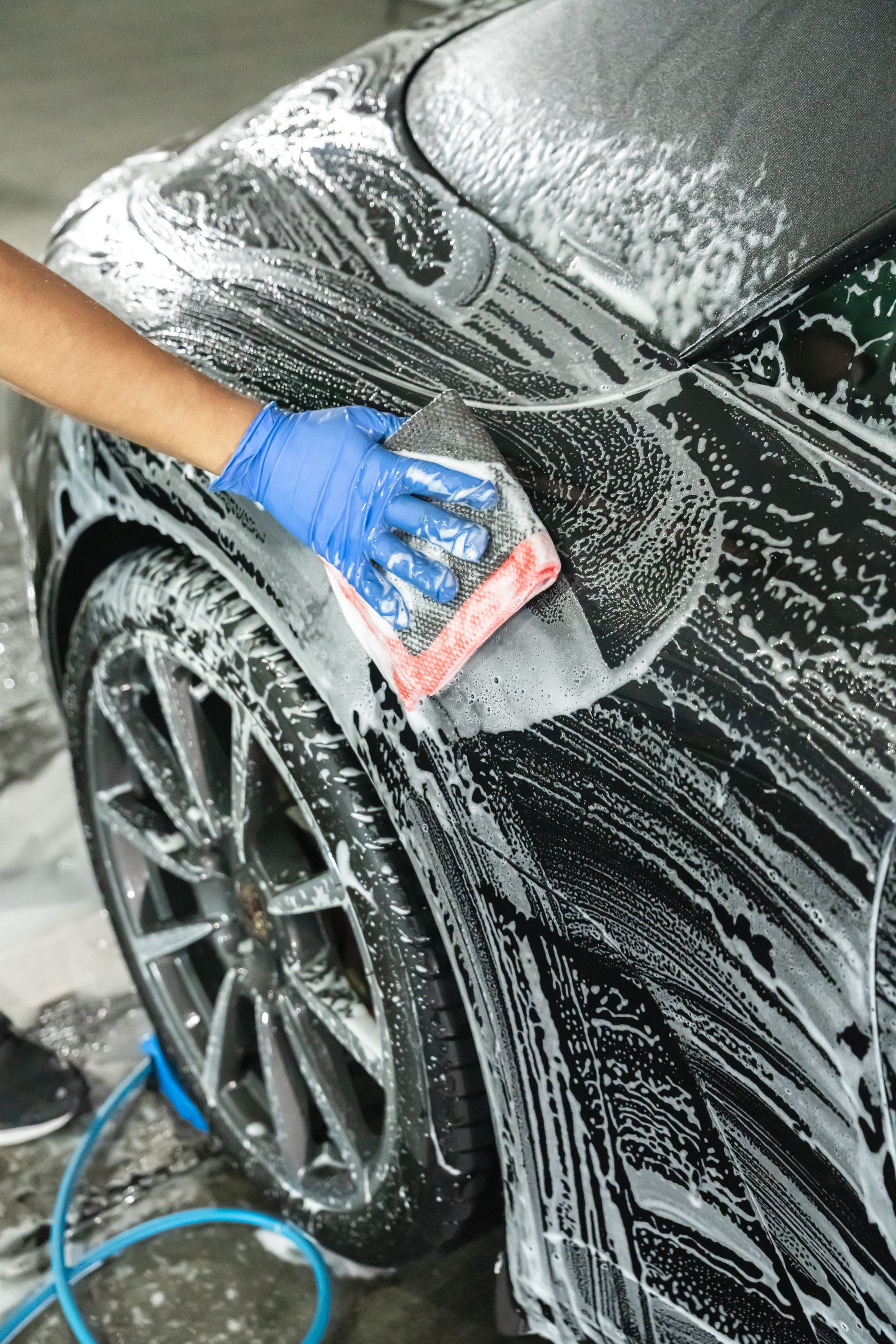
Your ceramic coating is one of the smartest investments you can make for your vehicle — but in the Northeast, it's not "set it and forget it." I'm the owner of Westchester Auto Detail in Westchester County, New York. We've been protecting Tri-State vehicles since 2020 and, for the past two years, have operated our dedicated facility, The Ceramic Lab by Westchester Auto Detail, inside the Westchester Mall. In that time we've applied and maintained hundreds of professional ceramic coatings for clients across the region. The cars that still look showroom-fresh after five or six brutal winters are the ones whose owners follow a disciplined, climate-smart maintenance plan. If you're in Westchester County, Fairfield County, or anywhere in NY, CT, NJ, or PA and you want your coating to deliver maximum hydrophobicity, gloss, and paint protection for five or more years, this guide is written for you. We'll cover the exact routines I give my local clients, the products that actually work in 2026, and the Northeast-specific challenges most California-focused guides completely ignore. What Exactly Is a Ceramic Coating and Why Does It Still Need Year-Round Maintenance? A ceramic coating is a liquid SiO₂ (silicon dioxide) or graphene-infused polymer that chemically bonds to your paint, creating a hard, hydrophobic, UV-resistant layer. It's not paint protection film — it won't stop rock chips — but it makes water, dirt, bird droppings, and road grime bead up and slide off far more easily than untreated paint. The big myth? "Once it's on, you never have to wash again." Reality: the coating still gets dirty, and contaminants — especially road salt — can etch into microscopic pores over time. In the Northeast, temperature swings, freeze-thaw cycles, and heavy de-icing chemicals accelerate this wear. Proper maintenance keeps the majority of original performance intact for years instead of months. How Does the Northeast Climate Uniquely Challenge Your Ceramic Coating? Most generic guides assume mild weather. Here in Westchester County and along the I-95 corridor, four very different enemies rotate through every year: Winter: Road salt (sodium chloride and magnesium chloride mixes used throughout NY and CT) doesn't just sit on the surface — freeze-thaw cycles drive it into micro-pores. Spring: Pollen bombs from oak, maple, and pine trees create a sticky film that bakes on in the sun. Summer: Intense UV exposure, tree sap, and bug acids. Fall: Construction tar, leaf tannins, and early frost. From our shop data, vehicles in the Tri-State that skip proactive winter care lose hydrophobicity noticeably faster than those following a consistent cold-weather protocol. The good news: a ceramic coating still makes salt removal dramatically easier — it just requires proactive steps to stay performing at its best. What's the Ideal Year-Round Washing Routine for a Ceramic-Coated Car? Frequency: Every 7–14 days year-round. In winter, aim for weekly or every 10 days if you're driving on treated roads. The Two-Bucket Method — non-negotiable: Pre-rinse thoroughly with a pressure washer or strong hose. Bucket 1: pH-neutral shampoo with a grit guard. Bucket 2: Plain rinse water for your mitt. Microfiber wash mitts only — never sponges or brushes. Drying: Use a blower or clean microfiber towels. Air drying in humid Northeast conditions leaves water spots that etch over time. Touchless option for light days: A quick high-pressure rinse at a self-serve bay removes loose salt without contact — a legitimate maintenance step in a pinch. How Should You Wash and Protect Your Ceramic Coating in Northeast Winters? This is where most owners drop the ball. Winter Decon Protocol — every 4–6 weeks: High-pressure pre-rinse, with extra attention to the undercarriage, rockers, and wheel wells — salt accumulates heavily in those areas. Alkaline snow-foam pre-wash if available. pH-neutral contact wash. Iron remover — essential for dissolving embedded brake dust and road salt. Cold-weather notes: Wash in a heated garage when possible, or use warm (not hot) water in a portable foam cannon. Soft-bristle snow brush only — no plastic scrapers, never metal. Monthly undercarriage rinse. This single step prevents more rust and coating wear than almost anything else a daily driver can do. Case Study: A client's 2022 Tesla Model Y — a daily I-95 commuter right here in Westchester County — went through three winters with no rust on rockers or doors. The owner committed to weekly rinses and monthly undercarriage flushes. Hydrophobicity held up well past the three-year mark. What Changes in Spring, Summer, and Fall for Maximum Longevity? Spring: Pollen decon followed by a light clay bar treatment if needed, after the final salt wash of the season. Summer: Park in shade when possible. Apply a UV-boosting ceramic spray every 60 days. Fall: Tar remover for construction season residue, followed by a tannin rinse after leaf storms.
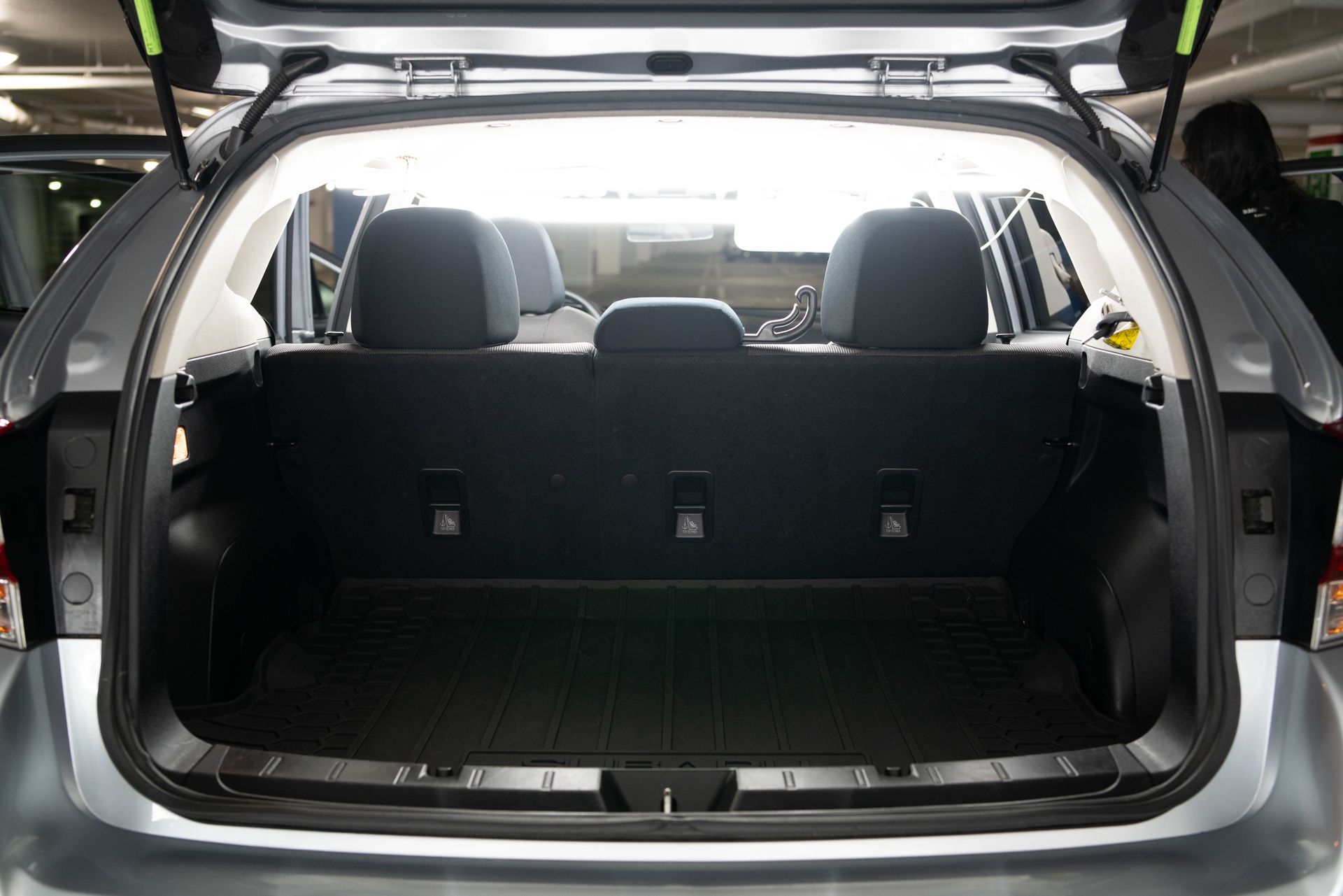
Empty cargo area of a silver hatchback car with rear seats folded down.
January 17, 2026
Preventing mold in a car during storage or after flooding is often misunderstood as a cleaning issue. In practice, it comes down to moisture control. Mold develops when moisture remains trapped inside interior materials long enough to support growth, usually when airflow is limited. The important distinction is this: most vehicles do not continue to have mold problems once moisture intrusion is corrected, the vehicle has been treated for mold and the interior is properly dried. Ongoing issues are typically linked to unresolved leaks, incomplete drying, or storage conditions that allow moisture to build back up. What the Process Actually Is Preventing mold during storage or after flooding is not about aggressive cleaning or constant intervention. The goal is to remove moisture, confirm interior materials are dry beneath the surface, and prevent new moisture from entering. In storage situations, this means managing humidity and circulation over time. After flooding or water intrusion, the focus is on how quickly moisture was removed and which materials absorbed it. When drying is thorough and the source of water is addressed, interiors usually stabilize and remain problem-free. This is why prevention looks different for a vehicle that sat unused for months versus one that experienced direct water exposure. Why Mold Develops in Stored or Flood-Affected Vehicles Mold needs moisture, organic material, and time. Modern vehicle interiors contain foam, padding, insulation, and fabrics that can absorb and hold moisture longer than most owners expect. During long-term storage, temperature changes create condensation. Moist air enters through normal seals and ventilation points, condenses on cooler surfaces, and becomes trapped when airflow stops. Even a small amount of existing moisture can worsen under these conditions. In many cases, minor water intrusion is already present before a vehicle is stored. Once circulation stops, that moisture has no opportunity to dissipate. Vehicles stored outdoors face a similar issue, where small leaks at door seals, sunroof drains, or windshield cowls allow moisture to enter while the vehicle sits. After flooding, moisture intrusion is more direct. Carpet padding, insulation, seat foam, and HVAC components can retain water long after surfaces appear dry. If those materials are not dried fully, odor or mold may appear later. When moisture is removed properly and the vehicle returns to normal use, ongoing airflow and regular operation typically prevent these conditions from returning. Decision Points That Change the Outcome Not all moisture situations behave the same way, and outcomes depend on several practical factors. Storage-related risk depends on the environment. Indoor storage without airflow can be just as challenging as outdoor storage in humid climates. Desiccants help manage moisture in the air, but they do not remove water already trapped in interior materials. Flood-related risk depends on how much water entered, how long it remained, and how quickly drying began. Water that reaches seat foam, padding, or insulation changes how the interior responds and how long moisture persists. It is also common for owners to assume a vehicle is no longer viable based on how much water entered or how long it remained wet. While those factors matter, they do not tell the full story. Interior materials respond differently depending on construction and how moisture moved through the vehicle. Determining whether components can stabilize requires inspection of padding, foam, and hidden areas rather than estimates based on time or water level alone. In practice, most vehicles fall into a middle category where moisture intrusion is identifiable, drying is achievable, and no long-term issues remain once conditions are corrected. Common Misconceptions Storage covers prevent mold. Covers reduce dust but often trap humidity when airflow is limited. If a car dries once, it will stay dry. Stored vehicles experience changing humidity levels that can reintroduce moisture if conditions are not managed. Desiccants alone prevent mold. Desiccants help control air moisture but do not address water retained in foam, padding, or insulation. What Determines Whether Issues Return Sealing a vehicle too tightly during storage can trap humidity and encourage condensation. Partial drying can make an interior appear stable while moisture remains below the surface. After flooding, how quickly drying began and how deeply materials were affected matters more than the initial appearance. Carpet padding and insulation release moisture slowly, while seat foam can remain damp even when surfaces feel dry. When carpets are affected, the most viable method for removing moisture is peeling up carpets and ensuring the insulation underneath is getting proper airflow. When moisture sources are corrected and interior materials are fully dried, additional intervention is rarely needed. When Preservation Matters More Than Results Interior materials are not unlimited. Carpet padding, insulation, and seat foam can degrade when repeatedly exposed to moisture. In some more severe cases, replacing affected components provides a more stable long-term result than repeated drying attempts. Experienced professionals prioritize stability over cosmetic perfection. A vehicle that is dry, ventilated, and returned to normal use will outperform one that looks clean but retains hidden moisture. Frequently Asked Questions Can a stored car grow mold without flooding? Yes. Condensation, lack of airflow, and minor leaks can be enough. How long after flooding does mold appear? Often weeks or months later if moisture remains trapped. Are desiccants enough during storage? They help, but only as part of a broader moisture-management approach.  Do most cars continue to have problems after proper drying? No. Once moisture intrusion is corrected and interiors are dry, most vehicles remain stable. Practical Takeaway Preventing mold during vehicle storage or after flooding comes down to one core principle: moisture must be removed and kept from returning. In most cases, once water intrusion is corrected and interior materials are fully dried and treated for mold, vehicles do not continue to experience mold issues. Normal use, airflow, and basic moisture awareness are usually enough to keep the interior stable. At Westchester Auto Detail, we routinely evaluate and remediate mold-related issues in vehicles, from minor contamination to more involved cases following water intrusion. Through that work, we are familiar with common vehicle-specific areas where moisture intrusion occurs and how those conditions affect interior materials over time. Our focus is on treating existing mold, confirming that interiors are properly dried, and recognizing when underlying issues may need further attention. If you have questions about mold in your vehicle or want guidance on how to address it, our team can review your situation and help outline practical next steps based on inspection and experience.
January 17, 2026
Removing mold from car seats and carpets safely is not just about killing what you can see. In vehicles, mold problems are usually driven by trapped moisture, and improper cleaning can spread contamination deeper or create conditions for regrowth. A safe approach focuses on limiting disturbance, controlling moisture, and ensuring affected materials are actually dry beneath the surface. This guide explains what safe removal looks like, why common DIY methods often fail, and how to recognize when deeper remediation or repair-first steps are necessary. What the Process Actually Is Safe mold removal in a vehicle is a controlled remediation process , not aggressive scrubbing. The goal is to reduce contamination while avoiding over-wetting or spreading spores into seat foam, carpet padding, or the HVAC system. At a high level, the process responds to three conditions: moisture, organic residue, and time. It exists to interrupt those conditions without damaging interior materials. What it does not do is guarantee permanent results if moisture sources remain active or materials are already degraded. A safe approach typically includes assessment, limited surface cleaning, controlled extraction, thorough drying, and prevention planning. Skipping any of these steps increases the risk of recurrence. Why This Problem Exists (Cause and Effect) Vehicles are uniquely vulnerable to mold because they combine porous materials with limited airflow. Fabric seats, seat foam, carpet padding, and insulation absorb and retain moisture far longer than most people realize. Moisture enters through common situations such as wet clothing, spills, rain intrusion, condensation from air conditioning use, or long-term storage in humid conditions. Even when the surface feels dry, moisture can remain trapped underneath. Cause-and-effect patterns are consistent: Moisture trapped in seat foam leads to odor that returns after cleaning. Carpet padding that stays damp allows spores to survive and spread upward. HVAC evaporator moisture can recirculate contamination through the cabin when the fan runs. This is why surface cleaning alone rarely solves the issue. Decision Points That Change the Outcome Not every mold situation should be handled the same way. Several factors determine whether limited DIY cleaning is reasonable or likely to fail. Material type matters. Fabric seats behave differently than leather, and both differ from foam and padding underneath. Light surface spotting on fabric can sometimes be addressed cautiously. Foam saturation beneath the surface is a different problem entirely. Severity and duration also matter. Recent, localized exposure is easier to stabilize than long-term dampness or widespread odor. If moisture has been present for weeks or months, deeper involvement is likely. Source status is critical. If water intrusion from a leak, drain, or seal is ongoing, interior cleaning should pause until that source is corrected. In those cases, a dealership or qualified repair facility is often the appropriate first step. Restraint is required when tools or drying capacity are limited. Over-wetting seats or carpets without proper extraction and drying often makes the problem worse. Common Misconceptions Vinegar or steam alone removes mold safely. These methods may improve appearance but do not address moisture trapped below the surface. Overuse can increase saturation and recurrence risk. If the stain is gone, the problem is solved. Mold often persists in foam or padding even when the surface looks clean. Odor sprays or fogging treatments fix mold. These products may mask smells temporarily but do not remove moisture or embedded contamination. Risks, Limitations, and Trade-Offs Improper removal attempts can spread contamination deeper into interior materials. Aggressive brushing, compressed air, or over-saturation can force spores into foam and padding where drying becomes difficult. Cross-contamination is another risk. Tools that are not properly cleaned can transfer spores between areas or vehicles. There are also clear limits. Mold removal cannot reliably restore materials that have broken down structurally. In some cases, replacement is the only stable option. This article focuses on protecting vehicle materials and reducing recurrence. It does not diagnose health conditions or guarantee outcomes. When Preservation Matters More Than Results Interior materials are finite. Seat foam and carpet padding degrade with repeated wetting and microbial activity. Chasing perfect cosmetic results can sometimes create more long-term risk than improvement. Experienced professionals often stop before full saturation or disassembly when the risk outweighs the benefit. Stability, dryness, and prevention matter more than making a surface look perfect for a short time. Frequently Asked Questions Can mold grow without visible spots on seats? Yes. Odor often comes from foam, padding, or HVAC components before mold is visible. Is it safe to scrub mold out of fabric seats? Light surface cleaning may help, but aggressive scrubbing can spread contamination and force moisture deeper. Why does the musty smell come back after cleaning? Because moisture or contamination remains below the surface or within the HVAC system. Should I clean mold if my car has an active leak? No. The source should be repaired first to prevent repeat contamination. When should I stop DIY and consult a professional? When odor persists, materials remain damp, or foam and padding are involved. Practical Takeaway Safely removing mold from car seats and carpets is less about stronger cleaners and more about controlling moisture, limiting spread, and confirming that materials are dry beneath the surface. DIY cleaning can be appropriate in limited cases, but it becomes unreliable when foam, padding, or ongoing moisture are involved. Addressing the source first, using restraint, and understanding vehicle-specific systems prevents recurrence and protects interior materials over the long term.
More Posts