

Will Paint Correction Fix My Scratch?

August 23, 2023
Scratches are a common problem amongst car owners because of how delicate car paint can be. These imperfections can be caused by anything from kicked up rocks on the road to thorns in the rose bush in your yard. Paint correction is the process that can remove most surface level scratches in your vehicle's paintwork. Scratches can come in a variety of levels depending on how they were introduced and the amount of damage done to the paint.

How does paint correction work to remove scratches from the surface of my car?

 While the term 'paint correction' is normally used as a synonym for scratch removal, this process can also remove car wash swirls, sun oxidation and other minor blemishes on the paintwork surface.


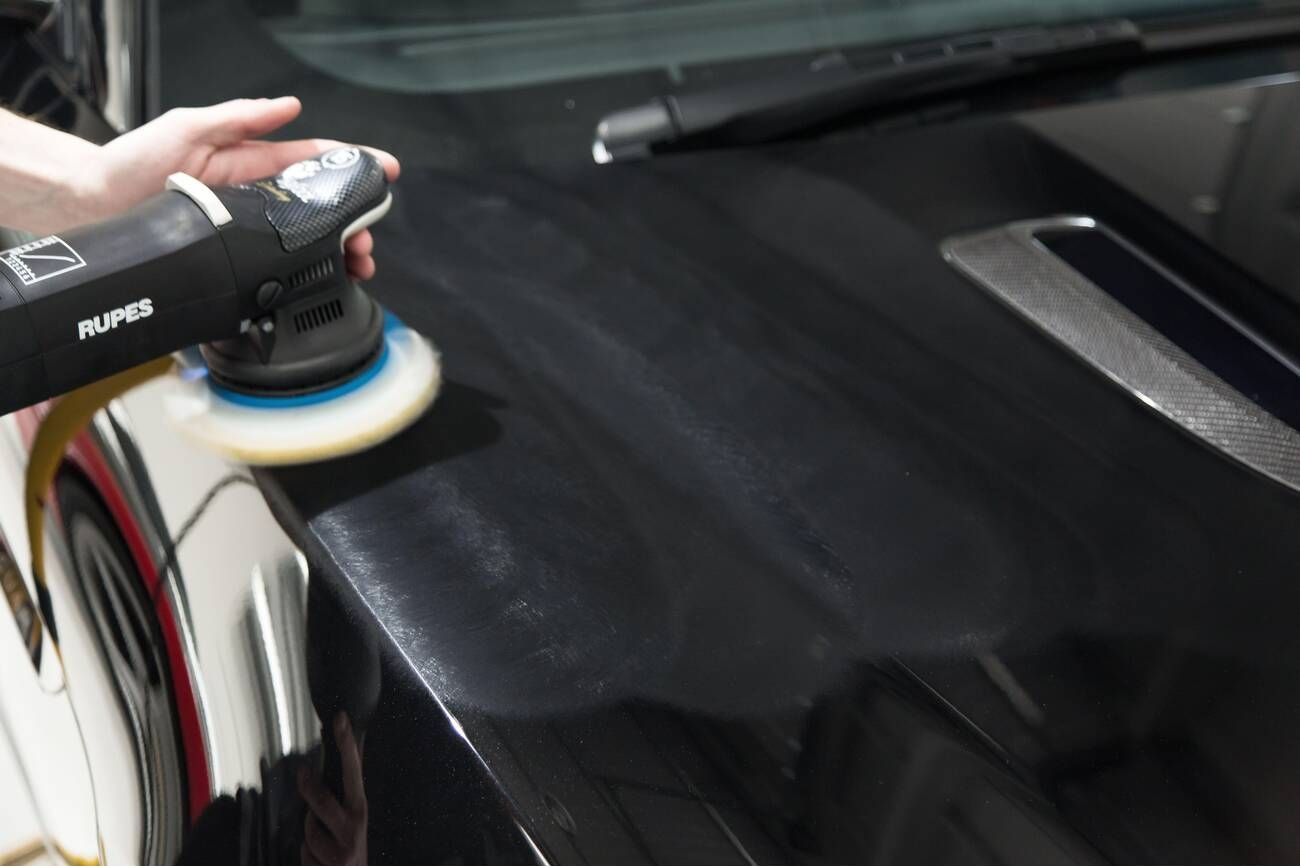
A professional detailer is able to remove scratches on the surface of a vehicle's paint by using a machine polisher to spread compound or polish using a specialized polishing pad. The compound or polish used is a special abrasive that levels out the paintwork surface with the friction created by the circular motion of the rotating polisher head. This paint correction leaves a refinished surface ready for exterior protection.

What kinds of scratches can paint correction fix?

While it is difficult to understand the severity of a scratch without a professional consultation by a car detailer, we'll do our best to break it down to get an understanding of how bad the scratch may really be.


Is the paintwork still intact?

If the vehicle's paintwork has scratches that go beyond the clear coat and into the color layer or lower, it may not be recoverable. An example of this may be a corner of your car that has been scratched until the primer or plastic of the bumper, where the clear coat is missing. If there is not enough clear coat left then the scratch cannot be repaired without body work.


Carwash Swirls and Scratches

It can be very difficult to remove 100 percent of car wash swirls. Automatic car washes cause dirt to be spread on the surface of the vehicle in all different directions, causing scratches in every direction that look like spiderwebs, or swirl marks. To effectively remove this, a two-step paint correction is needed, so that a compound can be used to remove the deeper scratches before being followed by a finishing polish to restore the gloss on the surface of the vehicle. In other cases, a single stage paint correction could improve the appearance of these kinds of scratches, leaving some deeper scratches behind, enhancing gloss on the surface of the vehicle.


Deep Contact Scratches

In the cases where your vehicle has been struck by something or impacted by an object, it can be very likely that the scratch will not get fixed. Deep scratches often go through the layer of the clear coat and cause damage that can be improved with paint correction, but not entirely eliminated.


Paint Transfer

When a scratch is caused on the vehicle's paintwork from contact with a painted pole or other vehicle, it can be hard to determine the depth of the scratch underneath the paint transfer without first cleaning it. Often times, paint correction will be needed to remove the transferred paint that has been left on your vehicle.


Small scratches from hand car washing

Even with the right techniques, hand car washing can still cause minor scratches if dirt travels on the surface of the paintwork. These scratches can be removed if the proper lubrication was used on the surface of the vehicle and they are minor.

Is repainting a better option?

As we mentioned earlier, it may be a better option to repaint surfaces where paint correction may not be effective. While paint correction may be able to fix a variety of surface defects, there are limitations to this. A professional detailer or auto body shop is qualified to provide an assessment of the damaged paintwork.

How much does paint correction cost in 2024?

While cost can certainly vary depending on your market, you should expect a minimum of a regular shop rate in your area. For New York state, this starts around $110-150 per hour. Keep in mind that a single stage paint correction can last around 5-8 hours and a multi-stage can range from 8 hours to a few days.

Why is paint correction so expensive?

When you do the math, you might notice that the price of paint correction can be more than you expected. This is because of the amount of hours required to perform the service. Because paint correction requires specialized tools and a multi-step preparation prior to the paintwork even being touched with a polisher, this service starts at a minimum of around $500 for a single stage correction.

How does the cost of paint correction weigh up against body work?

Paint correction is a less invasive procedure than repainting at a body shop. The hours dedicated to each job depends on a case by case basis. We suggest that you get a consultation from a body shop first if the damage seems severe. You can expect to pay the regular automotive shop rate for body work. In the case of repainting, labor is calculated by the amount of hours it would take to sand and refinish the damaged area.

How can I prevent getting scratches on my vehicle in the future?

The best way to prevent scratches on your vehicle is by applying a layer of protection to your paintwork. This can be a ceramic coating, wax, or sealant. All these forms of protection create a barrier on top of the paint layer and can sustain light friction as they create a glossy surface on top of the clear coat. It's important to note that all of these methods are susceptible to scratches, and the best way to prevent scratches entirely is through proactive car care. This includes avoiding car washes, using proper wash methods, using a ceramic coating or paint protection film, using paint protection and storing the vehicle indoors when possible.

Can I fix the scratches on my car on my own (at home)?

While there may be DIY methods to remove scratches available, we do not recommend attempting paint correction and scratch removal at home. The process requires use of abrasives on the surface of your vehicle which can cause complications without the proper training and technique.
By Ana B. March 20, 2025
Parking garages can be challenging environments for your vehicle, with tight spaces, low ceilings, and the risk of accidental damage. Whether it's a minor scratch or a more significant dent, knowing how to assess and address the damage is crucial. This article will guide you through identifying common types of damage, understanding when professional help is needed, and learning how to prevent future incidents. Common Types of Damage in Parking Garages 1. Scratches: These are often caused by other vehicles brushing against your car. Scratches can range from superficial to deep, potentially affecting the paint or even the metal beneath. 2. Dents: Dents occur when another vehicle collides with your car, often during parking maneuvers. These can vary in severity, from small dents to more extensive damage. 3. Paint Transfer: This happens when another car's paint transfers onto your vehicle, usually due to a minor scrape or bump. While not as severe as other types of damage, it can still be unsightly. Assessing the Damage If your car is damaged in a parking garage, the first step is to assess the extent of the damage. Here's how to do it: Check for Paint Transfer: If you notice a different color on your bumper or another part of your car, it could be paint transfer. This is often a sign of a minor scrape. Inspect for Scratches: Run your hand over the affected area to feel for scratches. If the paint is rough or uneven, it may require touch-up. Look for Dents: Examine the body of your car for any dents or depressions. These can be a sign of a more significant impact. Check for Primer or Plastic Exposure: If the damage has exposed the primer or the underlying plastic, it indicates more severe damage that likely requires professional repair. When to Seek Professional Help Exposed Primer or Plastic: If the paint has been removed and the primer or plastic is visible, a professional touch-up or respray is necessary. Severe Scratches or Dents: Deep scratches or large dents should be addressed by a professional to prevent further damage or rust. Uncertain Damage: If you're unsure about the extent of the damage, it's always safer to consult a professional. Repairing Parking Garage Damage 1. Paint Touch-Up: For minor paint transfer or scratches, a paint pen can be used to touch up the affected area. Ensure you use a color that matches your car's paint. Follow these steps: - Clean the area thoroughly. - Lightly sand the edges of the damage to blend the paint. - Apply the touch-up paint in thin layers. - Allow each layer to dry before applying the next. - Finish with a clear coat if necessary. 2. Paint Correction and Polishing: For lighter scratches, paint correction using fine abrasive materials can smooth out the surface. Polishing will then restore the shine. 3. Dent Repair: Depending on the severity, dents can be repaired using paintless dent repair (PDR) for minor dents or traditional body work for more significant damage. Preventing Damage in Parking Garages To minimize the risk of damage, consider the following tips: Park Strategically: Choose a spot that offers enough space to maneuver without risking contact with other vehicles. Avoid Tight Spaces: If the space is too tight, it's better to find another spot to park. Use Sensors: If your car has parking sensors, rely on them to help judge distances accurately. Be Cautious When Backing Out: Take your time and check your surroundings before reversing. Consider Protective Covers: Using protective covers can add an extra layer of defense against minor scratches and dents. Insurance and Legal Considerations If the damage was caused by another driver, consider filing a claim with your insurance company. Document the incident with photos and contact information from the other party. If the parking garage management is responsible, they may have liability insurance to cover the damage. Dealing with parking garage damage can be frustrating, but with the right knowledge and approach, you can address the issue effectively. By assessing the damage accurately, knowing when to seek professional help, and taking preventive measures, you can protect your vehicle and maintain its appearance. Remember, a proactive approach can save you time, money, and hassle in the long run.
By Adam Nagoshiner September 7, 2024
When it comes to car leasing, maintaining your vehicle’s condition throughout the lease term is crucial for preserving its resale value. Specific detailing practices, like paint correction, interior protection, and ceramic coating, play a significant role in ensuring that your car remains in pristine condition, maximizing its value at the end of the lease. Paint Correction: Restoring the Shine One of the most impactful detailing practices is paint correction. Over time, your car’s paint can suffer from minor scratches, swirl marks, and other imperfections. These flaws might seem insignificant, but they can dull the car’s appearance, making it look older and less cared for. Paint correction involves a multi-step process where professionals use specialized compounds and polishes to remove surface imperfections. This process restores the paint’s original luster, giving your car a like-new appearance. Imagine you’re returning a leased car that’s accumulated a few minor scratches over the years. Without paint correction, those scratches could reduce the car’s resale value. But with a properly corrected paint job, the car not only looks better but also appears to have been meticulously maintained. This small investment in paint correction can lead to significant savings by avoiding potential fees for wear and tear. Real-World Example: Paint Correction Pays Off Take the case of Sarah, who leased a mid-sized SUV for family use. After three years of regular driving, her car’s paint had accumulated numerous light scratches and swirl marks, especially around the door handles and the trunk. Before returning the vehicle, Sarah opted for professional paint correction. The results were astounding. The SUV’s paint looked as good as new, and the leasing company offered her a generous trade-in value, which she applied to her next lease. Without paint correction, she might have faced additional charges or a reduced trade-in value. Interior Protection: Keeping It Fresh The interior of your car is where you spend most of your time, and it’s also where wear and tear can become most apparent. Interior protection treatments, like leather conditioning, fabric protection, and regular deep cleaning, can preserve the look and feel of your car’s interior. For leather seats, conditioning is essential. Over time, leather can crack, fade, and lose its softness if not properly cared for. A professional detailer will use high-quality conditioners to keep the leather supple and resistant to damage. Fabric protection is equally important for cloth seats and carpets. Applying a fabric protectant helps repel stains and makes it easier to clean up spills before they cause lasting damage. This is particularly valuable for those who frequently transport children or pets, as it keeps the interior looking fresh and clean. Real-World Example: Interior Protection Saves the Day Consider John, a sales executive who leased a luxury sedan for his job. With constant travel and meetings, the car’s interior saw heavy use. Spilled coffee, food crumbs, and general wear and tear had taken their toll. Before returning the car, John invested in interior protection detailing. The seats were conditioned, the carpets were treated with fabric protectant, and the entire interior was deep cleaned. The leasing company was impressed by the car’s immaculate condition and offered John a favorable rate on his next lease. Had he skipped the interior detailing, the outcome might have been very different. Ceramic Coating: Long-Term Protection Ceramic coating is another powerful detailing practice that can significantly enhance your vehicle’s resale value. Unlike traditional wax, ceramic coatings form a strong, durable layer over the paint, providing long-term protection against environmental contaminants like UV rays, bird droppings, and road grime. This coating not only enhances the car’s shine but also makes it easier to clean, as dirt and water bead off the surface. For those leasing high-end or luxury vehicles, ceramic coating is a wise investment. It preserves the vehicle’s finish, ensuring that it looks as good at the end of the lease as it did on day one. Real-World Example: The Power of Ceramic Coating Emily leased a sports car for weekend drives and special occasions. Knowing that she wanted to keep the car in top condition, she had a ceramic coating applied shortly after taking delivery. Two years later, the car still had a showroom-quality shine, and the paint was free of the usual wear and tear marks. When it came time to return the car, the leasing company was impressed by its condition and waived any fees for minor damages. The ceramic coating had done its job, protecting the car’s value and making the return process smooth and hassle-free. Conclusion: Detailing Practices That Make a Difference In the realm of car leasing , specific detailing practices like paint correction, interior protection, and ceramic coating can make a world of difference in preserving your vehicle’s resale value. By investing in these services, you ensure that your car remains in top condition, avoiding potential fees and securing a better deal on your next lease. Remember, the way you care for your leased vehicle today directly impacts its value tomorrow. If you’re nearing the end of your lease, consider scheduling these detailing services to protect your investment . It’s a small price to pay for peace of mind and a higher resale value.
Mercedes Benz branded charger for electric vehicles
By westchesterdetailing January 10, 2023
What will the future of EV infrastructure look like in the US?
More Posts