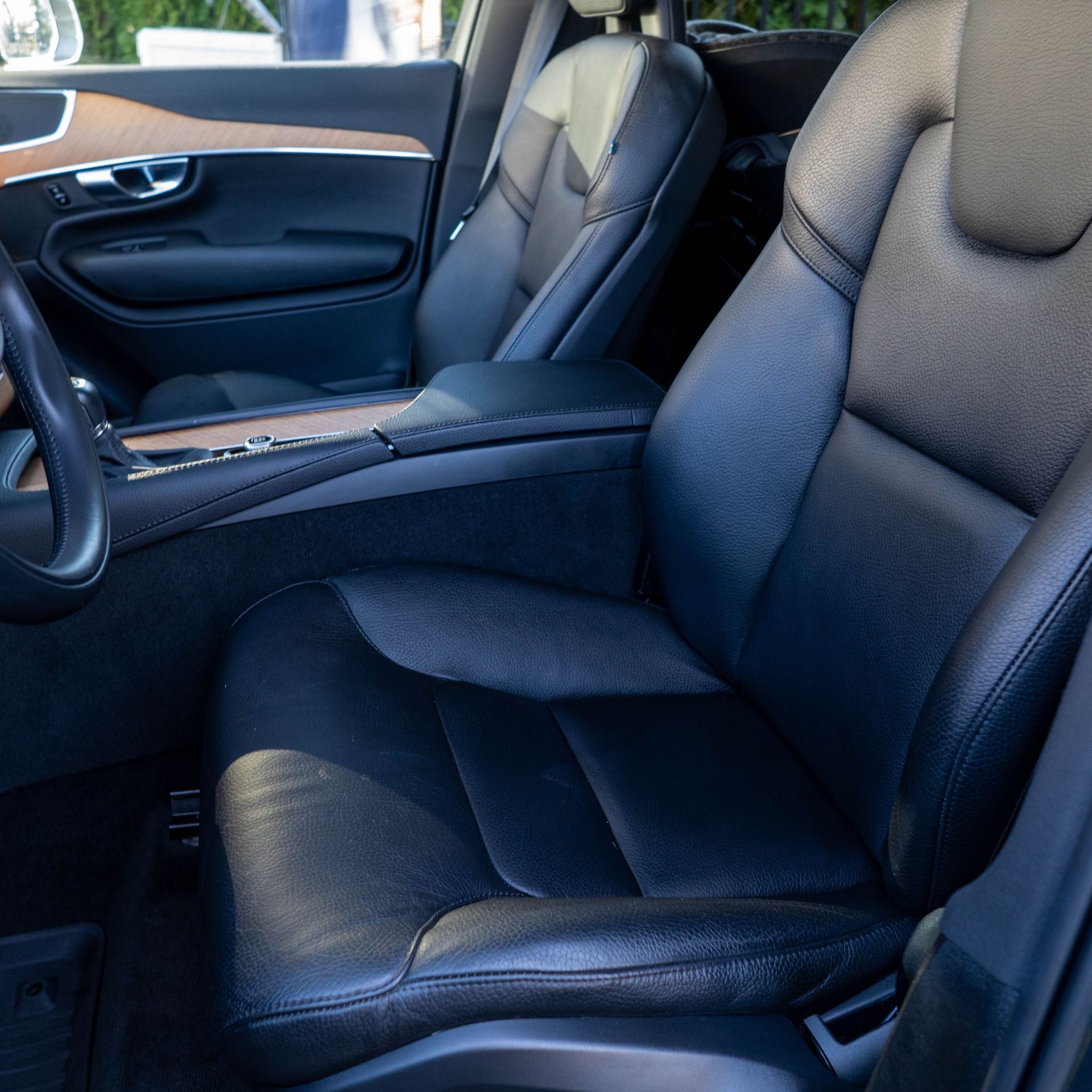



10 Things You Should Know About Mold Inside of Your Car
February 4, 2024
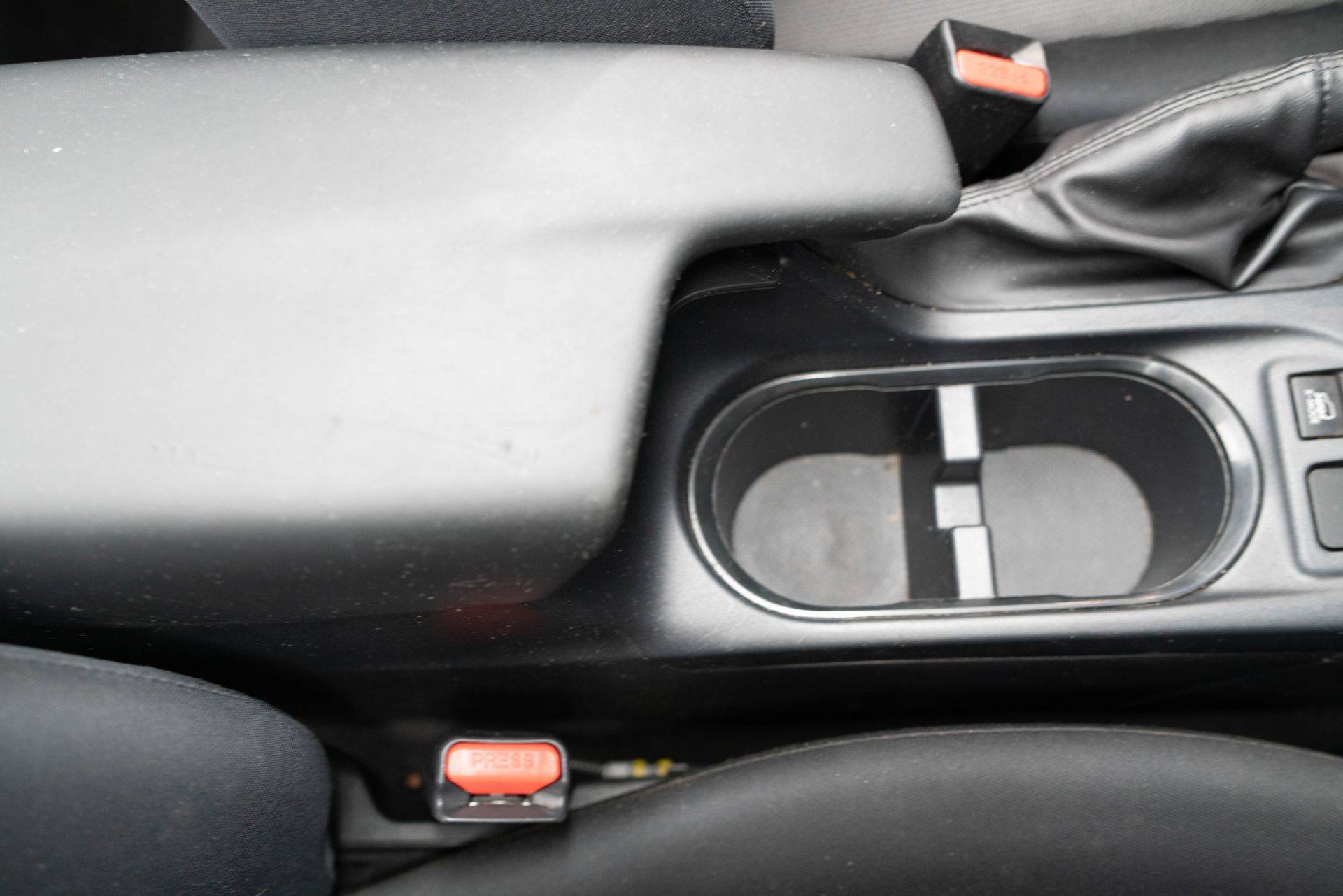
- Mold loves damp, enclosed spaces like the inside of a car. Condensation, leaks, spills, or flooding provide ideal conditions for mold to grow in upholstery and carpets.
- Mold spores are always present in the air. Given moisture, spores can grow into noticeable mold very quickly inside a car.
- Signs of mold include visible growth, a musty odor, and staining on surfaces. Mold is unhealthy to breathe and can damage interiors.
- The key to controlling mold in a car is keeping the interior clean and dry. Fix any water leaks promptly and thoroughly dry carpet and upholstery.
- Vacuum regularly to remove mold spores and debris. Pay extra attention to hidden corners and crevices where mold likes to grow.
- Use cleaners and steamers made specifically for auto interiors to kill mold and remove stains and odors. Extract any moisture afterwards.
- Letting cars sit unused increases the chance of mold growth. Air out and drive vehicles regularly to prevent excessive moisture buildup.
- Add moisture absorbers and ventilation improvements to keep air circulating and maintain a dry interior.
- Park your car in the sun whenever possible. The heat and UV rays inhibit mold growth.
- For severe mold or mildew contamination, professional detailing using specialized equipment can properly clean and restore your car's interior.
Preventing and removing mold in your car's cabin requires diligence. But with thorough, routine cleaning and moisture control, you can keep mold from taking hold.

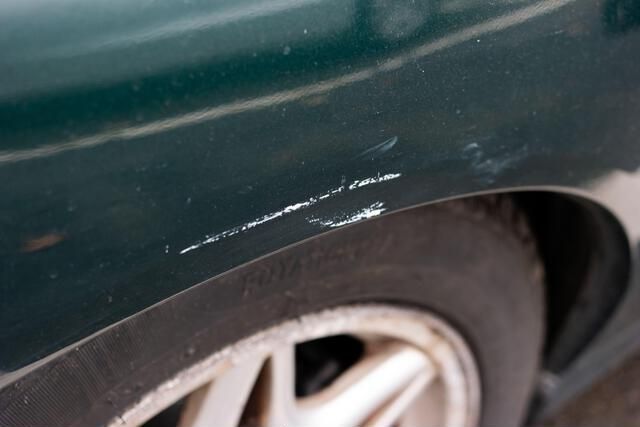
Fresh paint transfer on your vehicle can be upsetting, frustrating and even confusing because of how drastic the damage may appear at first.
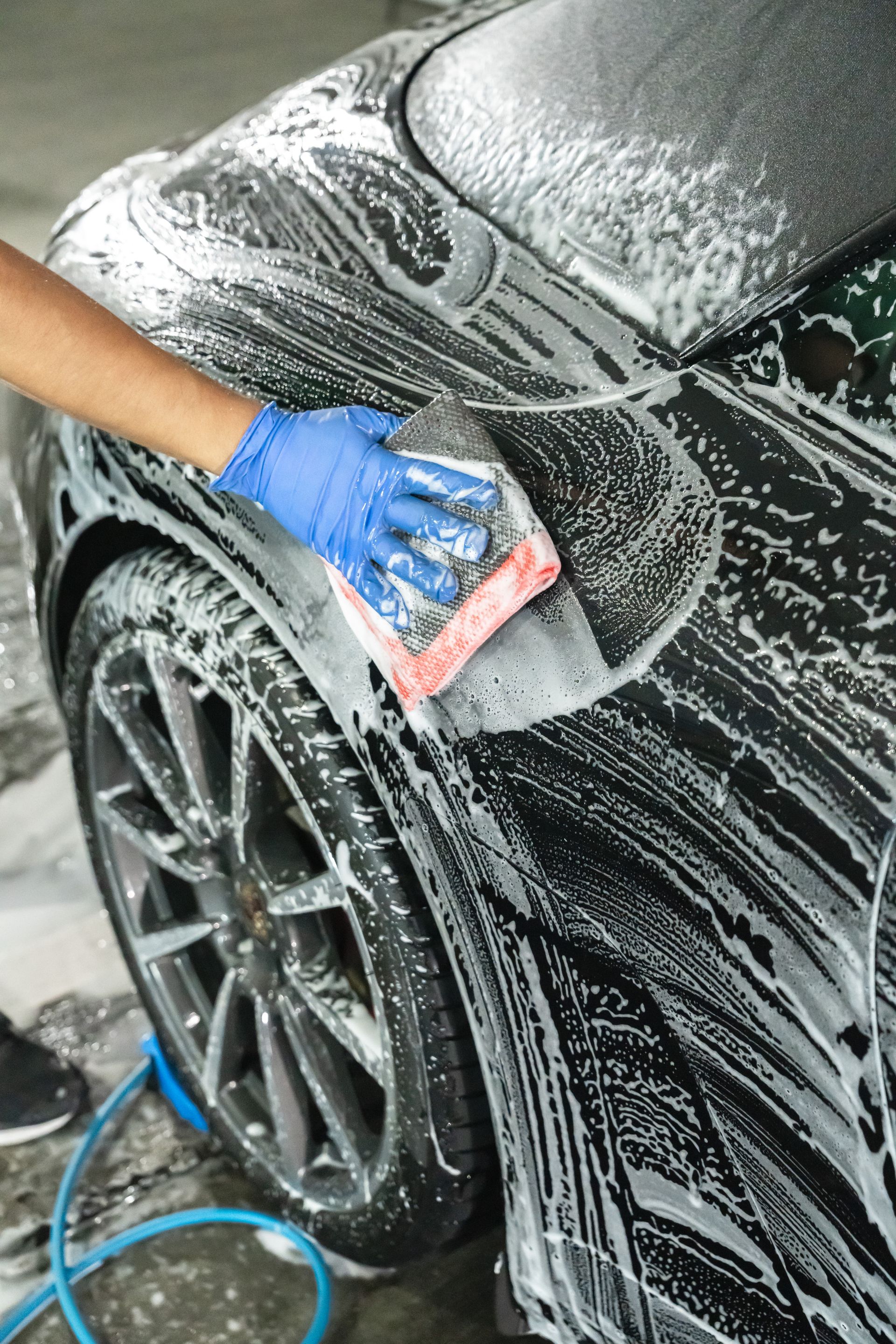
Your ceramic coating is one of the smartest investments you can make for your vehicle — but in the Northeast, it's not "set it and forget it." I'm the owner of Westchester Auto Detail in Westchester County, New York. We've been protecting Tri-State vehicles since 2020 and, for the past two years, have operated our dedicated facility, The Ceramic Lab by Westchester Auto Detail, inside the Westchester Mall. In that time we've applied and maintained hundreds of professional ceramic coatings for clients across the region. The cars that still look showroom-fresh after five or six brutal winters are the ones whose owners follow a disciplined, climate-smart maintenance plan. If you're in Westchester County, Fairfield County, or anywhere in NY, CT, NJ, or PA and you want your coating to deliver maximum hydrophobicity, gloss, and paint protection for five or more years, this guide is written for you. We'll cover the exact routines I give my local clients, the products that actually work in 2026, and the Northeast-specific challenges most California-focused guides completely ignore. What Exactly Is a Ceramic Coating and Why Does It Still Need Year-Round Maintenance? A ceramic coating is a liquid SiO₂ (silicon dioxide) or graphene-infused polymer that chemically bonds to your paint, creating a hard, hydrophobic, UV-resistant layer. It's not paint protection film — it won't stop rock chips — but it makes water, dirt, bird droppings, and road grime bead up and slide off far more easily than untreated paint. The big myth? "Once it's on, you never have to wash again." Reality: the coating still gets dirty, and contaminants — especially road salt — can etch into microscopic pores over time. In the Northeast, temperature swings, freeze-thaw cycles, and heavy de-icing chemicals accelerate this wear. Proper maintenance keeps the majority of original performance intact for years instead of months. How Does the Northeast Climate Uniquely Challenge Your Ceramic Coating? Most generic guides assume mild weather. Here in Westchester County and along the I-95 corridor, four very different enemies rotate through every year: Winter: Road salt (sodium chloride and magnesium chloride mixes used throughout NY and CT) doesn't just sit on the surface — freeze-thaw cycles drive it into micro-pores. Spring: Pollen bombs from oak, maple, and pine trees create a sticky film that bakes on in the sun. Summer: Intense UV exposure, tree sap, and bug acids. Fall: Construction tar, leaf tannins, and early frost. From our shop data, vehicles in the Tri-State that skip proactive winter care lose hydrophobicity noticeably faster than those following a consistent cold-weather protocol. The good news: a ceramic coating still makes salt removal dramatically easier — it just requires proactive steps to stay performing at its best. What's the Ideal Year-Round Washing Routine for a Ceramic-Coated Car? Frequency: Every 7–14 days year-round. In winter, aim for weekly or every 10 days if you're driving on treated roads. The Two-Bucket Method — non-negotiable: Pre-rinse thoroughly with a pressure washer or strong hose. Bucket 1: pH-neutral shampoo with a grit guard. Bucket 2: Plain rinse water for your mitt. Microfiber wash mitts only — never sponges or brushes. Drying: Use a blower or clean microfiber towels. Air drying in humid Northeast conditions leaves water spots that etch over time. Touchless option for light days: A quick high-pressure rinse at a self-serve bay removes loose salt without contact — a legitimate maintenance step in a pinch. How Should You Wash and Protect Your Ceramic Coating in Northeast Winters? This is where most owners drop the ball. Winter Decon Protocol — every 4–6 weeks: High-pressure pre-rinse, with extra attention to the undercarriage, rockers, and wheel wells — salt accumulates heavily in those areas. Alkaline snow-foam pre-wash if available. pH-neutral contact wash. Iron remover — essential for dissolving embedded brake dust and road salt. Cold-weather notes: Wash in a heated garage when possible, or use warm (not hot) water in a portable foam cannon. Soft-bristle snow brush only — no plastic scrapers, never metal. Monthly undercarriage rinse. This single step prevents more rust and coating wear than almost anything else a daily driver can do. Case Study: A client's 2022 Tesla Model Y — a daily I-95 commuter right here in Westchester County — went through three winters with no rust on rockers or doors. The owner committed to weekly rinses and monthly undercarriage flushes. Hydrophobicity held up well past the three-year mark. What Changes in Spring, Summer, and Fall for Maximum Longevity? Spring: Pollen decon followed by a light clay bar treatment if needed, after the final salt wash of the season. Summer: Park in shade when possible. Apply a UV-boosting ceramic spray every 60 days. Fall: Tar remover for construction season residue, followed by a tannin rinse after leaf storms.
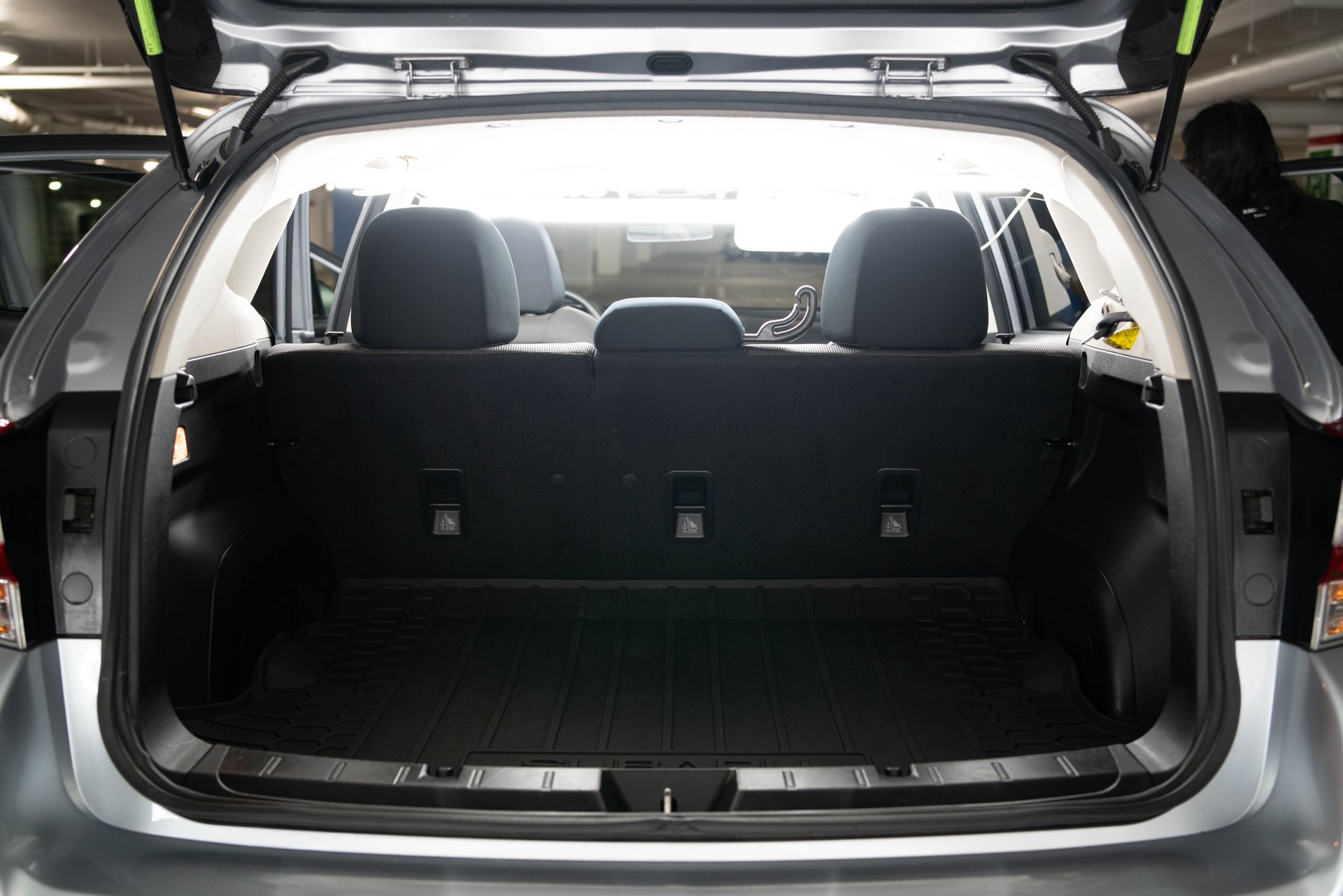
Preventing mold in a car during storage or after flooding is often misunderstood as a cleaning issue. In practice, it comes down to moisture control. Mold develops when moisture remains trapped inside interior materials long enough to support growth, usually when airflow is limited. The important distinction is this: most vehicles do not continue to have mold problems once moisture intrusion is corrected, the vehicle has been treated for mold and the interior is properly dried. Ongoing issues are typically linked to unresolved leaks, incomplete drying, or storage conditions that allow moisture to build back up. What the Process Actually Is Preventing mold during storage or after flooding is not about aggressive cleaning or constant intervention. The goal is to remove moisture, confirm interior materials are dry beneath the surface, and prevent new moisture from entering. In storage situations, this means managing humidity and circulation over time. After flooding or water intrusion, the focus is on how quickly moisture was removed and which materials absorbed it. When drying is thorough and the source of water is addressed, interiors usually stabilize and remain problem-free. This is why prevention looks different for a vehicle that sat unused for months versus one that experienced direct water exposure. Why Mold Develops in Stored or Flood-Affected Vehicles Mold needs moisture, organic material, and time. Modern vehicle interiors contain foam, padding, insulation, and fabrics that can absorb and hold moisture longer than most owners expect. During long-term storage, temperature changes create condensation. Moist air enters through normal seals and ventilation points, condenses on cooler surfaces, and becomes trapped when airflow stops. Even a small amount of existing moisture can worsen under these conditions. In many cases, minor water intrusion is already present before a vehicle is stored. Once circulation stops, that moisture has no opportunity to dissipate. Vehicles stored outdoors face a similar issue, where small leaks at door seals, sunroof drains, or windshield cowls allow moisture to enter while the vehicle sits. After flooding, moisture intrusion is more direct. Carpet padding, insulation, seat foam, and HVAC components can retain water long after surfaces appear dry. If those materials are not dried fully, odor or mold may appear later. When moisture is removed properly and the vehicle returns to normal use, ongoing airflow and regular operation typically prevent these conditions from returning. Decision Points That Change the Outcome Not all moisture situations behave the same way, and outcomes depend on several practical factors. Storage-related risk depends on the environment. Indoor storage without airflow can be just as challenging as outdoor storage in humid climates. Desiccants help manage moisture in the air, but they do not remove water already trapped in interior materials. Flood-related risk depends on how much water entered, how long it remained, and how quickly drying began. Water that reaches seat foam, padding, or insulation changes how the interior responds and how long moisture persists. It is also common for owners to assume a vehicle is no longer viable based on how much water entered or how long it remained wet. While those factors matter, they do not tell the full story. Interior materials respond differently depending on construction and how moisture moved through the vehicle. Determining whether components can stabilize requires inspection of padding, foam, and hidden areas rather than estimates based on time or water level alone. In practice, most vehicles fall into a middle category where moisture intrusion is identifiable, drying is achievable, and no long-term issues remain once conditions are corrected. Common Misconceptions Storage covers prevent mold. Covers reduce dust but often trap humidity when airflow is limited. If a car dries once, it will stay dry. Stored vehicles experience changing humidity levels that can reintroduce moisture if conditions are not managed. Desiccants alone prevent mold. Desiccants help control air moisture but do not address water retained in foam, padding, or insulation. What Determines Whether Issues Return Sealing a vehicle too tightly during storage can trap humidity and encourage condensation. Partial drying can make an interior appear stable while moisture remains below the surface. After flooding, how quickly drying began and how deeply materials were affected matters more than the initial appearance. Carpet padding and insulation release moisture slowly, while seat foam can remain damp even when surfaces feel dry. When carpets are affected, the most viable method for removing moisture is peeling up carpets and ensuring the insulation underneath is getting proper airflow. When moisture sources are corrected and interior materials are fully dried, additional intervention is rarely needed. When Preservation Matters More Than Results Interior materials are not unlimited. Carpet padding, insulation, and seat foam can degrade when repeatedly exposed to moisture. In some more severe cases, replacing affected components provides a more stable long-term result than repeated drying attempts. Experienced professionals prioritize stability over cosmetic perfection. A vehicle that is dry, ventilated, and returned to normal use will outperform one that looks clean but retains hidden moisture. Frequently Asked Questions Can a stored car grow mold without flooding? Yes. Condensation, lack of airflow, and minor leaks can be enough. How long after flooding does mold appear? Often weeks or months later if moisture remains trapped. Are desiccants enough during storage? They help, but only as part of a broader moisture-management approach. Do most cars continue to have problems after proper drying? No. Once moisture intrusion is corrected and interiors are dry, most vehicles remain stable. Practical Takeaway Preventing mold during vehicle storage or after flooding comes down to one core principle: moisture must be removed and kept from returning. In most cases, once water intrusion is corrected and interior materials are fully dried and treated for mold, vehicles do not continue to experience mold issues. Normal use, airflow, and basic moisture awareness are usually enough to keep the interior stable. At Westchester Auto Detail, we routinely evaluate and remediate mold-related issues in vehicles, from minor contamination to more involved cases following water intrusion. Through that work, we are familiar with common vehicle-specific areas where moisture intrusion occurs and how those conditions affect interior materials over time. Our focus is on treating existing mold, confirming that interiors are properly dried, and recognizing when underlying issues may need further attention. If you have questions about mold in your vehicle or want guidance on how to address it, our team can review your situation and help outline practical next steps based on inspection and experience.